
南洋咖啡的醇香蜕变
一味百年风华,从饮品文化走向当代餐桌。
文│陈爱薇
图│新报业媒体、商家提供
BakeDept
17世纪起,欧洲殖民帝国建立起茶叶和咖啡等商品的海上贸易网络。荷兰东印度公司甚至将咖啡树带到印度尼西亚栽种,推动咖啡在东南亚扎根。到了19世纪,新加坡成为区域转口贸易中心,咖啡逐渐走入殖民地社会的日常饮食。
海南人漂洋过海来到新加坡后,不少人进入洋人家庭与厨房工作,后来把制作咖啡和烘烤面包的经验带到本地咖啡店。早年流连咖啡店的顾客不少是鸦片烟客,偏爱浓烈厚重的口味。充满生活智慧的先辈想出独特的做法,在炒咖啡豆时加入白糖和牛油,让糖分焦化并包覆豆身。这股浓厚、醇香又带着焦糖气息的风味,后来成为了新加坡人熟悉的南洋咖啡。
如今,南洋咖啡已不只是一杯日常饮料,更走入了各式料理。餐饮业者在打造本地风味新品时,经常以南洋咖啡入馔,让这股熟悉的香气在不同食材之间碰撞,谱出更多层次的味觉交响曲。
风味饮料
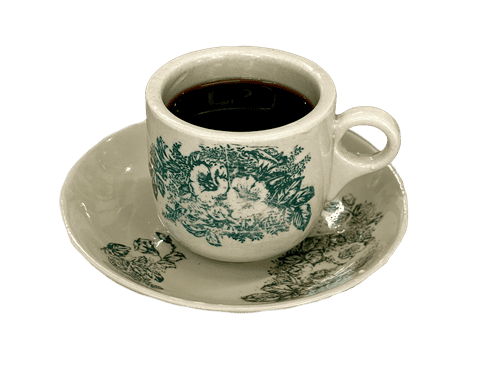
咖啡乌
南洋咖啡个性鲜明,却拥有极高的包容度。过去不少人在咖啡乌(Kopi O)里放上一片牛油,让咖啡多一分油脂香与顺滑感。放在今天看来,这样的搭配或许稍嫌厚重,但对追寻古早味的食客来说,却是一口令人怀念的老滋味。桥北路(North Bridge Rd)第10座组屋楼下的咖啡店“协胜隆”,氛围就像定格在上世纪七八十年代,其牛油咖啡是招牌必点。
咖啡与茶结合诞生出经典的“鸳鸯”,后来的创新变化也越来越大胆。拥有三个咖啡摊位的“咖啡快座”(Coffee Break)大发创意,陆续推出杏仁、黑芝麻、肉桂、榛果、姜、芒果奶茶、薄荷及芋头等风味南洋咖啡。
榴梿热潮也延伸到了咖啡领域,不少榴梿专卖店和研发者推出了榴梿咖啡。前往吉兰丹路(Kelantan Rd)的“Ms. Durian”,可以来一杯榴梿咖啡搭配招牌猫山王榴梿蛋糕,浓郁满满。拥有多家门店的“大南洋”(Great Nanyang)则把南洋特色椰水融入咖啡体验中。食客可将一小杯浓缩南洋咖啡缓缓倒入新鲜椰子冰饮中,椰饮咖啡在冷热交融之间,能品尝到椰香与咖啡香层层展开的丰富口感。
另一款这几年很盛行的“虎咬狮”,是在咖啡乌中加入美禄(Milo)、炼乳或淡奶调配而成,口感香浓醇厚、带有巧克力咖啡香。其名字源自福建话发音“hó-kā-sai”,一说是喝了之后精力充沛,就像“老虎咬狮子”一样威猛有力;另一说是与粤语“好架势”相近,意指够威风和有气派。
特色甜点
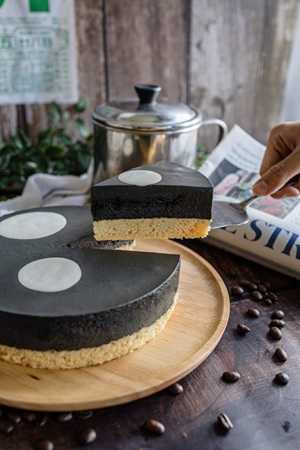
Cat & the Fiddle
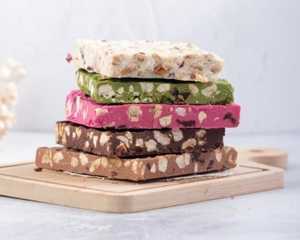
“巧口仙儿”(Chocoelf)
南洋咖啡与西式甜点结合,同样碰撞出不少惊喜。近年来,不少品牌纷纷把熟悉的南洋咖啡风味融入冰淇淋、蛋糕、甜甜圈和巧克力之中。
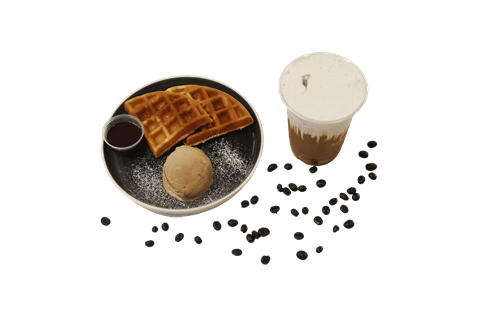
“BakeDept”推出的浓咖啡冰淇淋,加入了颗粒花生酱与香烤面包糠碎,带出类似传统咖椰吐司配咖啡的熟悉风味。“Cat & the Fiddle”则将咖啡乌元素融入芝士蛋糕,咖啡芝士蛋糕在浓郁奶香中保留了咖啡苦中带甘的层次。宏茂桥10道第529座的“松园”(Pine Garden),其古早味咖啡蛋糕是将现冲咖啡融入蛋糕体中,在甜与苦之间取得了绝佳平衡。
甜甜圈也加入了这场创意实验。“Mister Donut”的“Pon De Kopi-licious”咖啡甜甜圈,把浓郁南洋咖啡香注入Q弹有嚼劲的麻糬甜甜圈中,再覆上一层顺滑的咖啡牛奶巧克力。
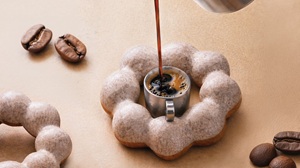
Mister Donut
巧克力和豆花也不例外。“巧口仙儿”(Chocoelf)推出了加入咖啡豆颗粒的咖啡巧克力。牛车水芳林熟食中心的“大豆小豆”(DDSD)则是精选白咖啡粉与黑咖啡粉混入豆浆,过滤渣滓后凝固成咖啡豆花,再搭配特制熬煮的咖啡糖浆。
小趣知
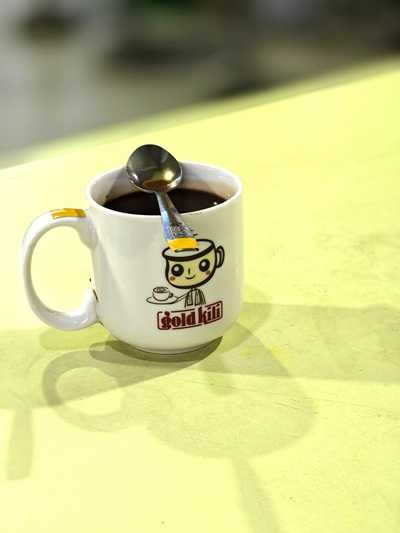
你是否见过有人将茶匙架在咖啡杯上?这是一种默契暗号,意思是咖啡还要继续喝,只是暂时离开,请店员先别收杯,其他食客也别坐下。
* 菜单如有调整恕不另行通知。
Brewing Kopi 2.0
Strong and aromatic, the taste of Nanyang coffee is unmistakable, and adds a potent punch to new-generation beverages and desserts.
Translation: Hong Xinyi
BakeDept
Coffee came to Southeast Asia, also known by the Chinese as Nanyang (meaning the southern seas), via trade led by European colonial powers. By the 19th century, it had become firmly entrenched in Singapore’s colonial society. Many Hainanese migrants worked for Western households, where they learned how to brew this beverage before eventually introducing it to local coffeeshops. Early customers at these places were often opium users who preferred strong flavours. Their palate influenced an important innovation — roasting coffee beans with white sugar and butter, so that the taste of caramelised sugar and the richness of butter add to the robust flavour and aroma of the beans. This heady blend is what makes Nanyang coffee (also known as kopi) special.
Creative beverages
Nanyang coffee’s distinct flavour blends well with other ingredients. For instance, a traditional combination features a pat of butter in a cup of Nanyang coffee. You can still order such butter coffee at Heap Seng Leong coffeeshop (North Bridge Road Block 10).
Such coffee can also be blended with tea. This combination is famously known as yuanyang (in Mandarin), or yinyong (in Cantonese, a nod to its Hong Kong origins).
At Coffee Break’s three hawker stalls, orders of Nanyang coffee can be combined with many other unusual flavours, such as almond, black sesame, and cinnamon. Over at Ms Durian (Kelantan Road), Nanyang coffee is mixed with the intense taste of durian. At Great Nanyang outlets, it is poured hot into iced coconut water to create a refreshing drink.
A recent coffeeshop favourite: combining black Nanyang coffee with Milo, and condensed milk or evaporated milk. This concoction is known as ho ka sai, which has been interpreted as the Hokkien pronunciation of “tiger bites lion”, as well as a Cantonese phrase that means“ an awe-inspiring aura”.
Unique desserts
Nanyang coffee also adds a kick to different desserts. BakeDept’s Kopi Gao With Peanut Butter Toasties ice cream recreates the flavours of strong Nanyang coffee and toast, a classic local breakfast order. At Cat & The Fiddle, try a cheesecake infused with kopi-o (the local term for black Nanyang coffee). Pine Garden (Ang Mo Kio Ave 10 Block 529) also offers O’ School Kopi Cake, which is inspired by Nanyang coffee and strikes just the right balance between sweet and bitter.
Mister Donut’s Pon De Kopi-licious mochi doughnuts are also infused with the flavour of Nanyang coffee, and coated in coffee milk chocolate. At Chocoelf, the Kopi Siu Dai chocolate bar (borrowing its name from the local term for Nanyang coffee with less sugar) blends dark chocolate with deep-roasted local coffee. Meanwhile, DDSD (Hong Lim Market & Food Centre) has created Kopi-curd, a beancurd made with carefully selected white coffee powder and black coffee powder, and served with coffee syrup.