
从移居到融入:狮城中国新移民与社团新貌
1990年起,中国各地新移民陆续抵达,融入各行各业。
资料来源│新加坡华族文化百科:《新加坡的中国新移民团体》(作者:游俊豪)、新报业媒体
图│新报业媒体

2025年,一批新移民在仪式上宣誓,入籍新加坡。
新加坡华人主流社会,大多是二战前来自广东、福建的移民后裔,传统籍贯分为闽南、潮州、粤语、客家、海南五大方言群。新移民的家乡,分布更为广阔,辐射了中国南北、沿海、内陆各地。
然而,新移民与传统移民的背景完全不同。传统移民主要是在动荡年代,为了谋求生计或躲避战乱而下南洋的华商与华工,他们的迁移更多是生存驱动,并带着浓厚的“落叶归根”情怀。
相比之下,新移民是在中国改革开放后,因经济蓬勃发展和全球化人才流动而移居海外的新一代。他们普遍拥有更高的教育水平和专业技能,迁移动机更倾向于寻求更广阔的职业发展空间和优质生活,其身份认同也更具“落地生根”的现代性与流动性。这种根本性的差异,使得新移民团体在组织结构、活动方式与社会功能上,都展现出与传统华人社团截然不同的风貌。
中国在1978年开始改革开放政策,启动新一波向外移民浪潮,因此有了“新移民”的称谓,借此区别于二战前华商、华工两大移民类型。新加坡在1990年跟中国建立邦交后,扩建了更为密切的跨国经贸关系,也迎接了人数众多的新移民,纳入其在地的各个领域。
华人移民的多元面貌

新移民刘岱松在本地开设画廊,希望强化新中的艺术脉络。

新移民新果首席执行官鲍晟杰在本地创业,种植热带草莓。

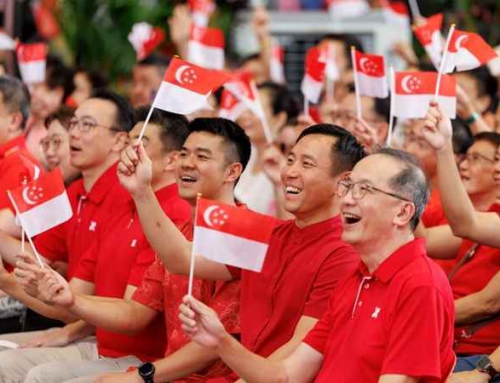
陈彬彬生于新加坡,父母来自中国福建。他于2026年由永久居民转为新加坡公民,第一次以公民身份庆祝国庆。
新移民在新加坡投入的行业,也超越了在早期的工商格局,呈现了多元的面貌。早期华人社会组织,分为地缘、血缘、业缘三大类型,多半围绕五大方言帮群而成形发展。英国殖民地时代,华人社团的功能相当全面,照顾华人的在地需求,推动了本地化进程,同时维持跟中国侨乡的联系。新加坡1965年建国后,传统华人社团的许多功能,逐渐转移到政府机关。华人的身份认同变得多元,跨帮群、跨族群的组织日益增多。一些小型的传统社团在1980年代开始式微,面对招收新会员、组织更新的挑战。
新移民团体
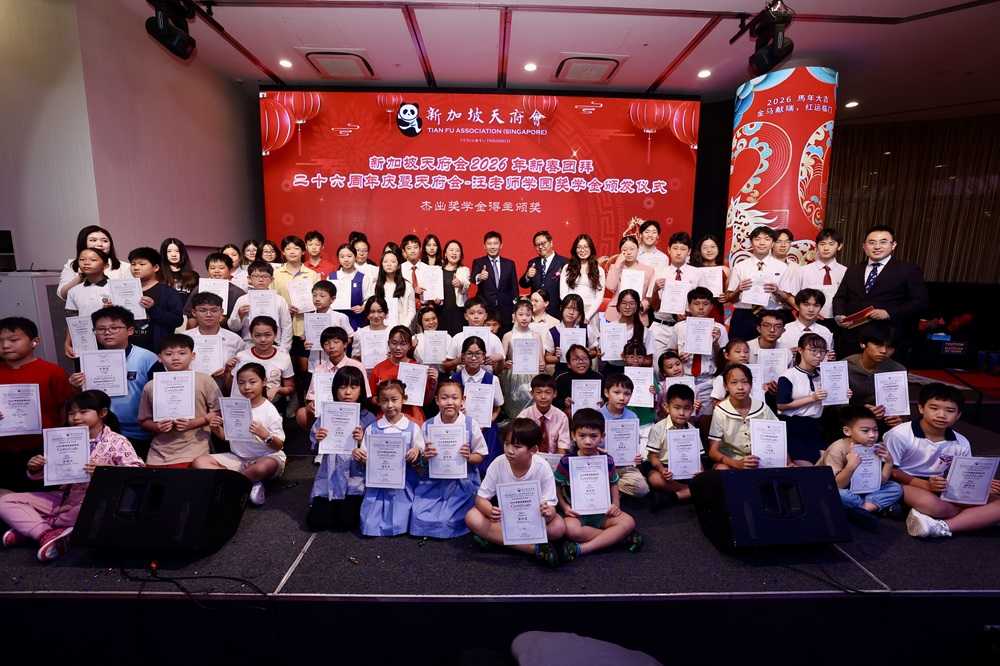
新加坡天府会2026年新春团拜。

2023年8月成立的吾庐之声合唱团,大部分由新移民组成。
中国新移民团体,成立最早、规模最大的应该是天府会,以及华源会。天府会在2001年成立,华源会随后于隔年建立。这两大团体综合性很高,会员的来源背景很广。天府会主体性虽然建立于四川籍贯的移民群体,但来自其他身份的移民也可以申请加入。华源会也是开放给所有来自中国的新移民。
按照地缘性来说,中国新移民团体绝大多数以省份来区分,进行同乡的整合,例如天府会、陕西同乡会、晋商商会、贵州同乡会、齐鲁会、江苏会。相比之下,早期的传统社团有许多以县级来建构,例如安溪会馆、番禺会馆等。
另外,中国新移民社团当中,有相当数目是校友会类型。其中包括上海交通大学校友会、清华大学校友会、北京大学校友会。这反映了中国新移民拥有良好的教育基础以及职业技能,并且人数可观。这些中国高校的校友会,在1990年代以前并不多见。而在二战前,华团主要由商人和平民工人组成,这种以高校校友为主的社团在本地更是非常罕见。
中国新移民在新加坡成立的组织,由于理事与会员都是第一代移民,所以推动团体活动充满了活力。对于整个新加坡的社会组织景观而言,新移民团体的多元化运行方式,无疑带来了一股新的气象。
参与跨文化、跨族群的互动
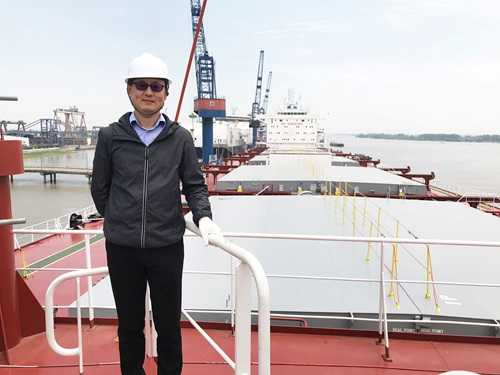
法鼓山新加坡护法会会长高德慧是新移民,也是船务公司首席执行官。
在地脉络方面,新移民团体积极跟政府与主流社会合作,主动举行慈善活动,致力于跨文化、跨族群的互动。例如《华汇》在上一期(2026年6月)就介绍了新移民高德慧在法鼓山新加坡道场找到“心”的故乡,在工余时通过做义工来回馈社会的故事。
另外一个值得关注的趋势与科技有关,随着华社社团日趋多元,平台化的模式未来会更突出。传统宗乡组织以血缘、乡情为纽带,随着社团转型和新型社团的出现,华社社团则更像平台——对接中国及其他地区资源,帮助企业落地,组织商贸合作,人才交流。
这些新移民团体不再仅仅是情感联谊的“同乡会”,而是演变为连接新中两地的“商业与人才枢纽”。它们通过举办高端论坛、科技研讨会和投资考察团,积极扮演着跨国经济桥梁的角色。与此同时,许多团体也开始关注文化传承的深层内涵,通过设立奖学金、举办文化讲座和青年实习计划,致力于培养具有双重文化视野的新一代。这种从“情感共同体”向“利益与价值共同体”的转变,不仅为新加坡的社会组织生态注入了新的活力,也预示着未来华人社团将朝着更开放、务实和具国际影响力的方向演进。
New Chinese immigrants in Singapore
From professional motivations to modes of connection, the immigrants who arrived in Singapore from the 1990s onwards are distinct from earlier sojourners.
Translation: Hong Xinyi
Most of Singapore’s ethnic Chinese population have descended from immigrants who arrived here before World War II. They were primarily from Guangdong and Fujian provinces, and belonged to Hokkien, Teochew, Cantonese, Hakka, and Hainanese dialect groups. They immigrated to escape turbulence, and made their living as merchants or labourers. These people saw themselves as sojourners in Singapore, and felt a strong desire to return to their roots.
In 1978, China’s economic reform and open-door policy kick-started emigration. After Singapore established diplomatic relations with China in 1990, trade ties grew as well, and a new wave of Chinese immigrants arrived here.
Known as new immigrants, they have more diverse origins that span China’s northern and southern regions, as well as coastal and inland areas. They tend to be professionals seeking better career opportunities and a higher quality of life. In a globalised world where talent is more mobile, these people believe in sinking their roots in their chosen new home.
Evolving community organisations
Early Chinese community organisations were mostly formed around the five major dialect groups, and could be divided into three main categories: geography (often at the county level), blood ties, and occupation. During the British colonial era, these organisations addressed the needs of the local Chinese community, and promoted localisation while maintaining connections with China.
After Singapore’s independence in 1965, many of their functions were gradually handed over to government agencies. The number of cross-dialect and cross-ethnic organisations increased, while some smaller community organisations began facing declining and ageing membership in the 1980s.
For new immigrants, the earliest and largest associations they set up in Singapore were the Singapore Tian Fu Association (established in 2001) and the Hua Yuan Association (2002). Both welcome immigrants from all parts of China. Other new immigrant groups are organised by geography, but typically at the province rather than county level. There are also a considerable number of alumni associations, reflecting the higher levels of education among new immigrants.
Comprising first-generation immigrants, these associations are dynamic. They work with government entities and local organisations on events such as charitable activities, and work hard to promote cross-cultural interactions.
They also serve as platforms that connect talent, businesses, and resources from Singapore and China. Through forums and seminars, they explore topics such as technology and investment. Many are also focused on cultural transmission. By creating scholarships and internships for youths, they hope to nurture a new generation with bi-cultural perspectives.
These new immigrant associations have injected vitality into Singapore society. As Chinese community organisations evolve from stressing the emotive ties of kinship to a stronger focus on concrete benefits and common values, they also signpost a future where such entities will be more open, pragmatic, and exert a wider sphere of influence.