
王翔宇—喜剧无国界,榴莲有知音
用笑声连接新移民与本地人, 让华语在快乐中扎根。
文│张鹤杨
图│受访者、新报业媒体提供

王翔宇
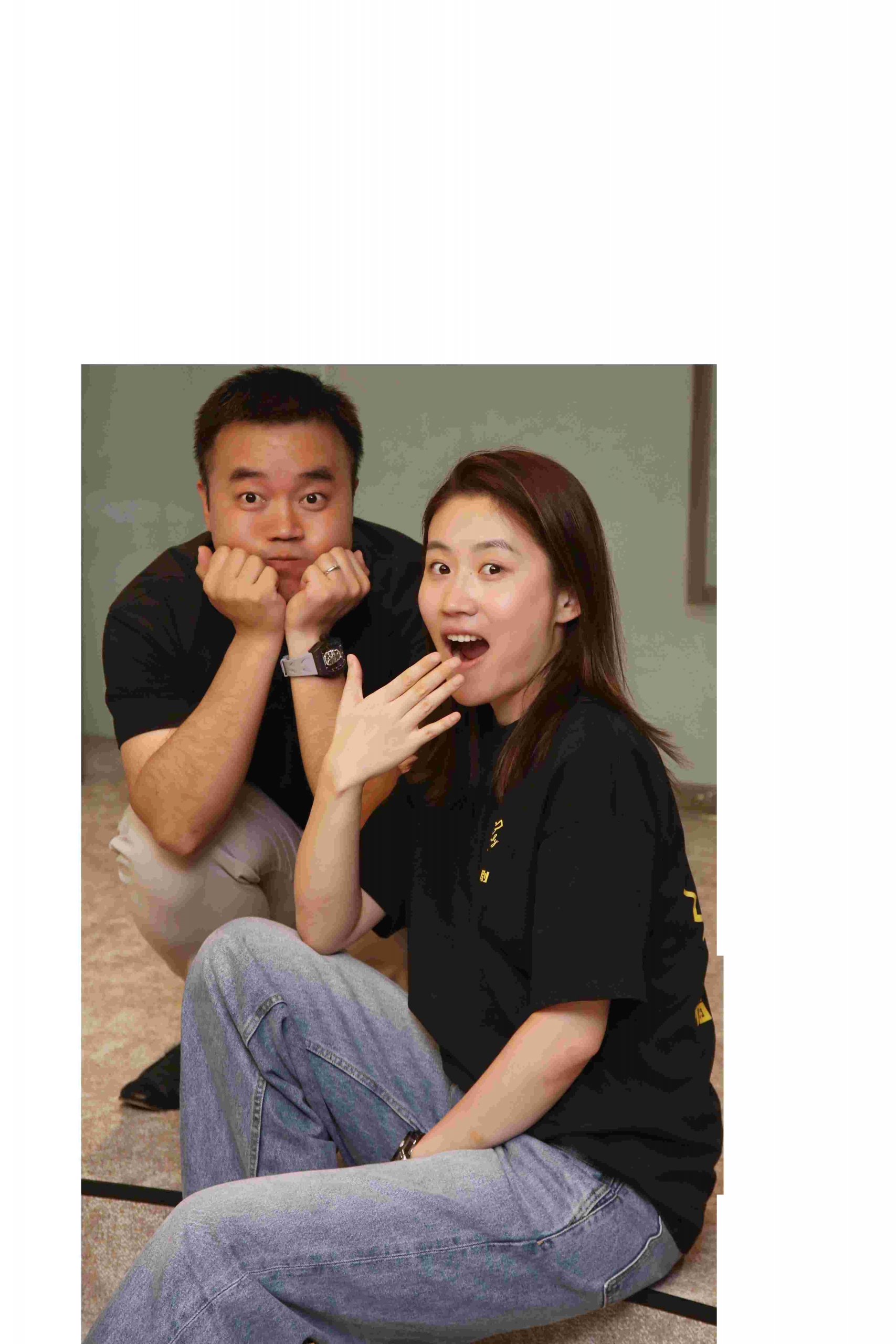
从《脱口秀大会》到《吐槽大会》,笑声经济在中国最火爆的红利期或许已经过去,但脱口秀这门表演形式却正在新加坡基层的民众俱乐部悄然生根。本地“榴莲喜剧”创办人王翔宇和丈夫石云鼎,希望通过脱口秀撬动年轻一代对华语的兴趣,希望用笑声搭建新移民与本地人之间的桥梁。
如果从专业背景来看,王翔宇与喜剧毫不相干。1993年出生于河南平顶山的她,从小的梦想是当宇航员。飞行的梦想支撑她一路读到北京航空航天大学的航天工程博士,职场的现实却让她萌生倦意。2020年博士毕业,她与已在新加坡打拼多年的石云鼎结婚,2021年8月来到新加坡,开启新移民生活。
疫情时期的新加坡尚未完全开放。聚会人数限制、检测要求、出行空间收缩,让她在陌生的环境中感到失重。无论英文还是华语,都要重新适应本地的表达和用语习惯。一瞬间,她从航天工程的高材生,变成在家等待伴侣下班的人。她形容那段时间:“我特别喜欢找意义,但那时候我找不到。”
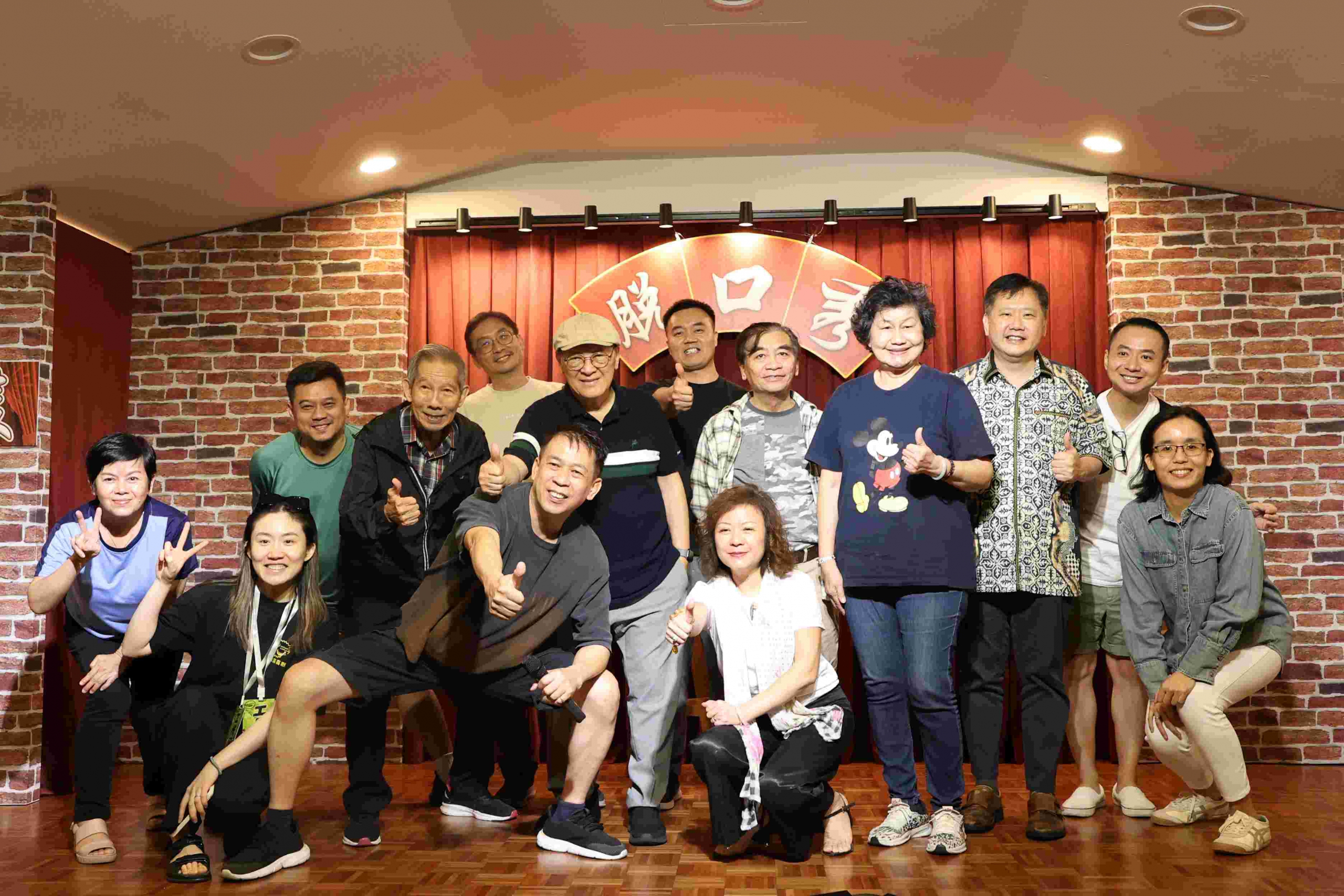
全球正夯的脱口秀,也渐渐在本地生根,并深入民间,这是东陵民众俱乐部的脱口秀培训班。
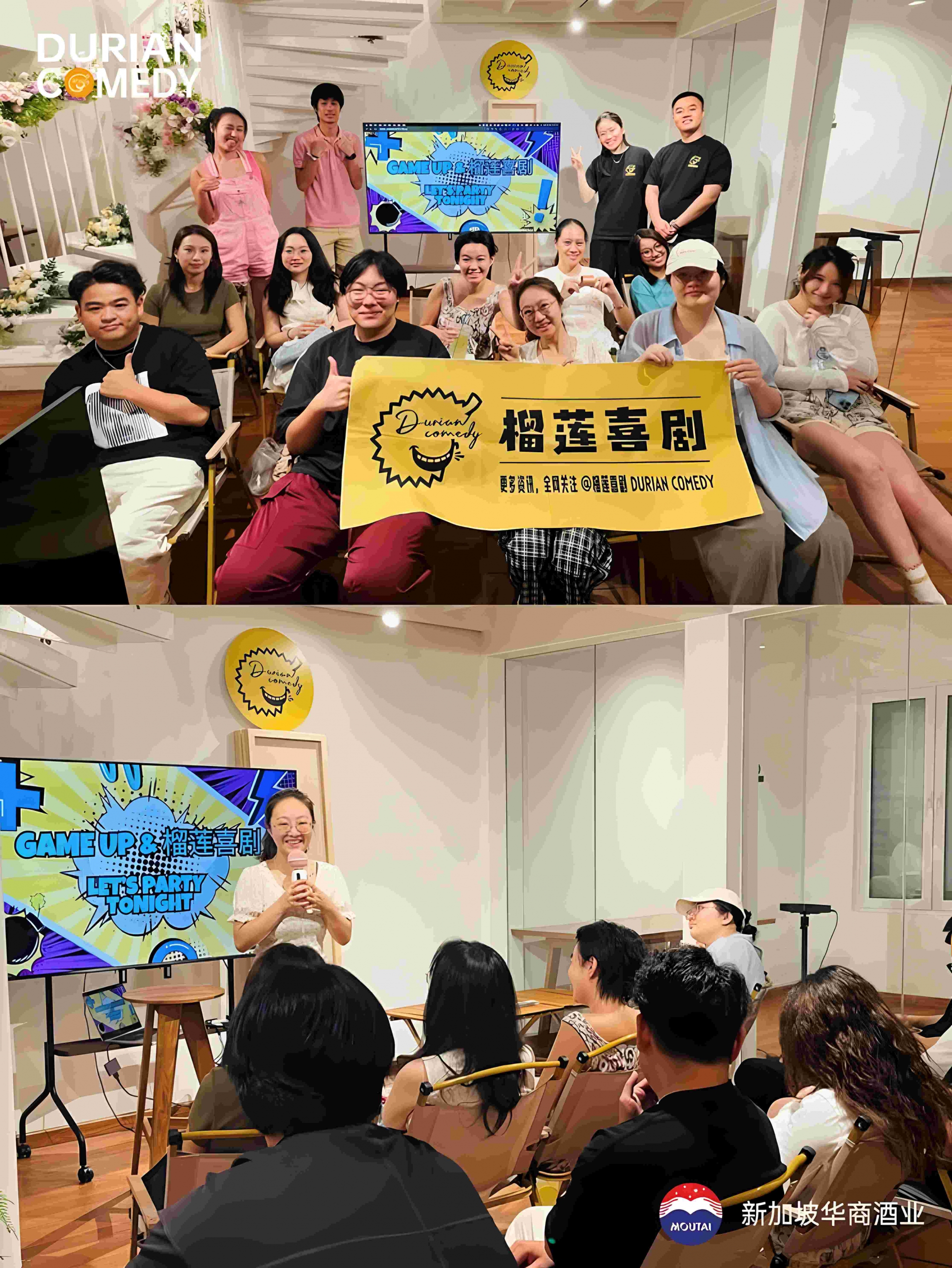
榴莲喜剧的培训课程, 吸引了许多本地年轻人参与,学习从笑声当中,以不同的视角看待议题。
从飞天梦到脱口秀
手机里的喜剧成了日常陪伴。“吃饭的时候想看点开心的。”她回忆。笑声带来的心灵慰藉,让她萌生在新加坡推广脱口秀的念头。2024年创办的榴莲喜剧,已在新加坡呈献“黑灯”“唐香玉”“二狗”等在中国爆火的脱口秀,也在本地持续举办“开放麦”,让任何有兴趣的素人站上舞台。
但他们也清楚地看到现实中的文化张力:中国演员来新加坡演出,观众往往以中国新移民为主;本地年轻人对华语的兴趣有限,即便老一辈华语基础扎实,真正能戳中笑点的,却是文化共识与生活经验。外来笑料与本地生活之间,始终横亘着一道看不见的距离。
石云鼎直言:“如果开放麦只吸引新来学生与新移民,很容易形成小圈子。这样的文化活动,无益于新移民融入本地社会。”因此,榴莲喜剧把本地化作为明确方向——不仅要让本地观众听得懂,更要让他们在笑声里认出自己的生活。围绕这一目标,他们开始调整舞台与内容的重心,把喜剧带进社区,同时积极吸纳本地创作者。
这种本地化并非停留在内容改写,而是从场景出发。他们走进基层社区,比如与东陵民众俱乐部合作开办脱口秀培训班、举行汇报演出,让原本在屏幕中的表演形式走进生活空间。
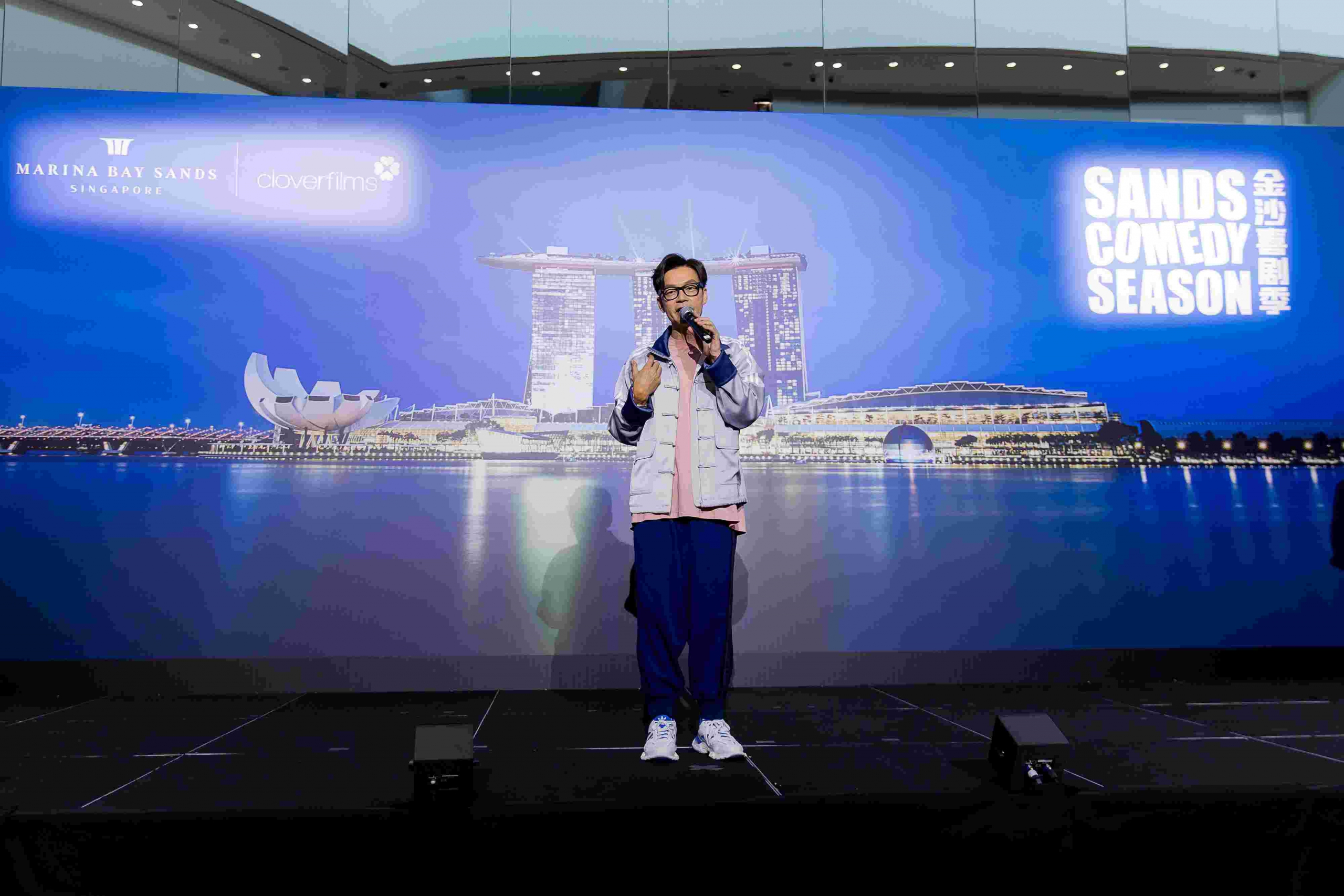
谐星李国煌近期在滨海湾金沙剧院呈献脱口秀,逗乐了台下千名观众。他早前在社交媒体分享:“17年前的第一场脱口秀,讲的是‘臭阿明’。”足见他对舞台的熟悉与情感。
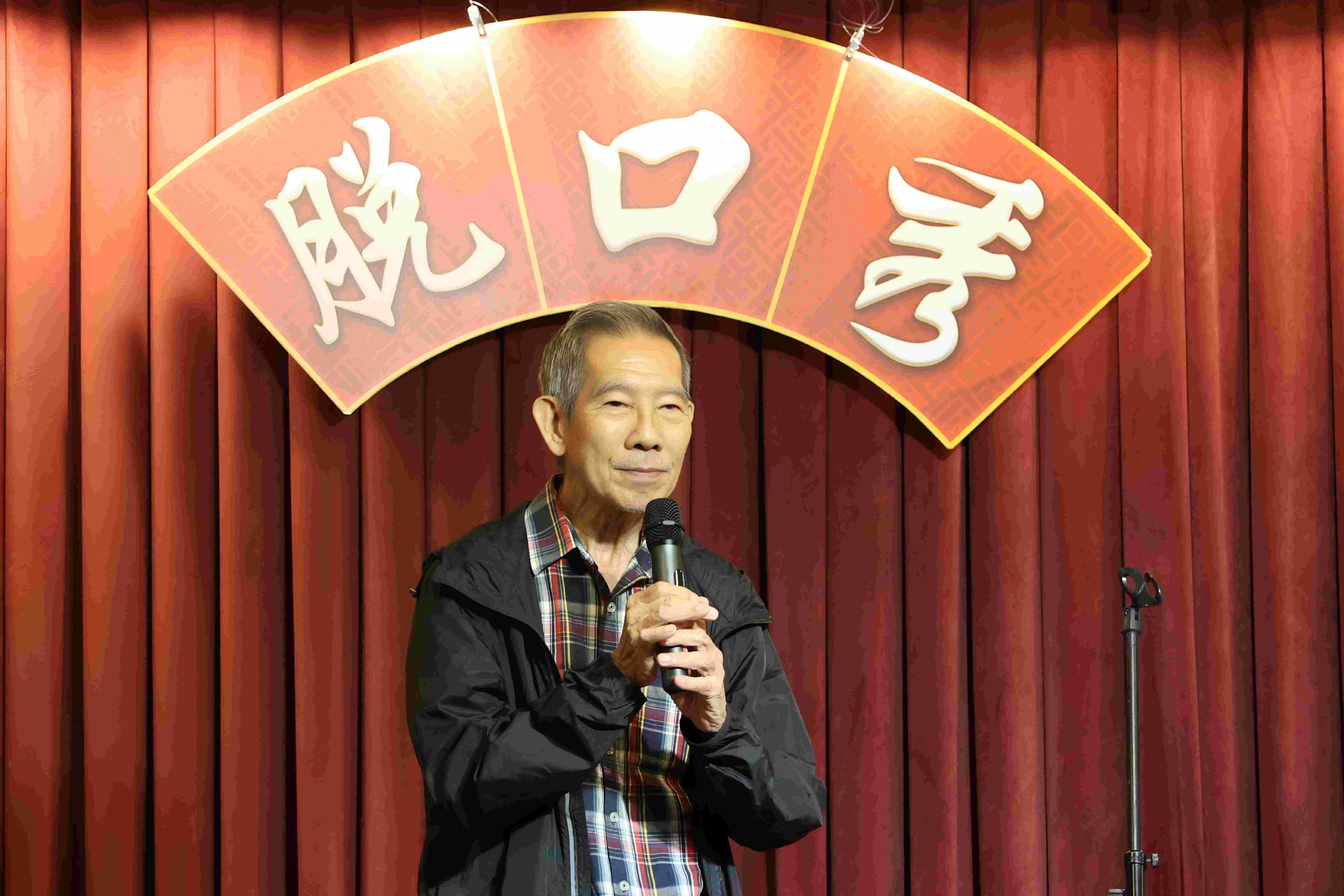
本地资深演员杨世彬也加入脱口秀行列,为演艺生涯开辟新天地。
从舞台到社区的探索
2025年3月举办的“狮城相声喜剧大会”,正是这一尝试的集中呈现。当天约900名观众到场,其中700多人由全岛各地的民众俱乐部组织前来,甚至安排巴士接送。“那天到最后几乎没人提前离场。”石云鼎回忆,尤其是乐龄观众,反应最为热烈。这让他们意识到,喜剧并不只属于年轻人,更可以成为跨代际的交流场景。
如果说社区空间解决的是“谁来听”,那么“谁来讲”则决定了文本的文化质地。榴莲喜剧主动与历史悠久的新风相声学会、南方文艺社等合作,成为与本土文化融合的关键起点;与此同时,他们也联络搞笑艺人、华文教师、剧场工作者,邀请他们尝试脱口秀这种更强调个人经验的形式,让不同世代、不同领域的华语工作者都有机会进行新的探索。本地笑星李国煌、金马奖提名演员杨世彬、资深相声演员黄家强等,都曾登上榴莲喜剧的舞台。
王翔宇也指出,本地化还意味着与年轻一代建立连接。榴莲喜剧开始关注中学与辩论社群,尝试把脱口秀技巧融入表达训练。他们也在筹备华语辩论相关项目,包括面向中学的首届全国学生华语辩论比赛的后续合作,希望把脱口秀视为一种表达训练工具,而不仅是舞台节目。一些家长反馈令他们印象深刻:有孩子原本对华语兴趣不大,看完演出后却觉得“华语原来也可以这么有趣”。
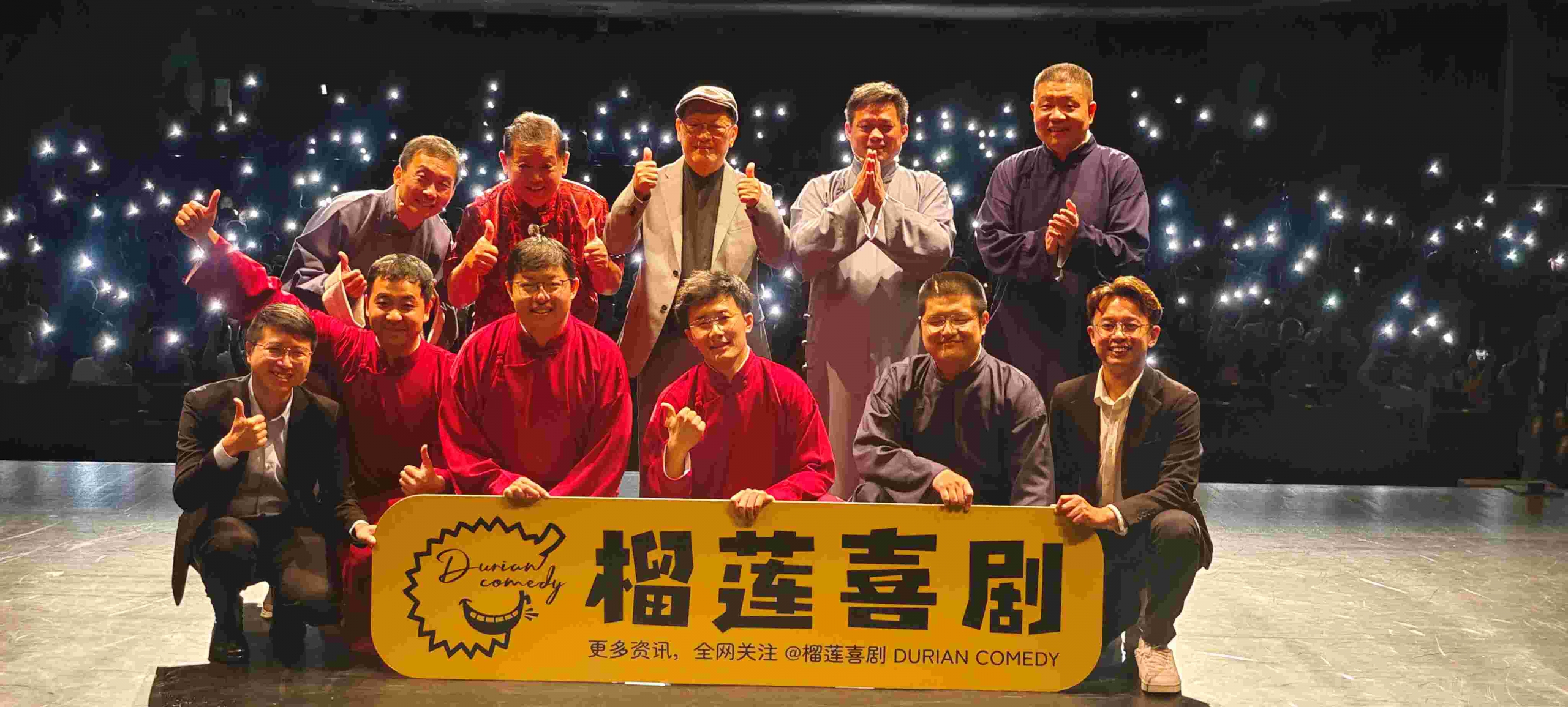
脱口秀不解决问题,但允许问题被说出。笑声背后往往探讨的是颇为严肃的课题,只是从不同的视角去分析及面对。图为《狮城相声喜剧大会》的表演团队。
这种双向的文化流动,也让更多本地人开始对当下中国都市文化产生兴趣。普拉提教练陈思娴笑说,自己几乎是在毫无准备的情况下,被王翔宇“推上开放麦”。“当时完全没有心理准备,现在回想起来还心有余悸。”然而几次尝试之后,她却逐渐喜欢上舞台带来的兴奋感。
在此之前,她几乎没有接触过华语脱口秀。“我常常是整场唯一的本地人。有时候他们会讲一些地域性的梗,比如某个省的男生怎样怎样,我就听不懂。但如果是生活化的内容,就特别有共鸣。”
开始尝试脱口秀之后,陈思娴发现自己对日常细节变得更敏感。“我会留意生活里有没有什么可以写的。有时换一个角度,抽离出来看自己生活中的一些事,感觉还挺有意思的。”她写运动课堂的趣事,写相亲婚恋的观察,也写新加坡男女之间的日常差异。熟悉的题材让她在舞台上更自然,也让观众更容易进入她的语境。
与此同时,她也因为接触中文脱口秀而对中国社会产生更强烈的好奇。“我会常去中国旅游,跟网约车司机、服务业者聊天,交朋友。有时候想到什么就写下来。”在她身上,华语不再只是生活日常,更成为跨文化体验的载体。
在喜剧之外,榴莲喜剧也把“樊登读书”带来新加坡,举办知识类讲座,并引进话剧《四世同堂》等舞台作品,在泛文化领域拓展华语文化活动的存在感。
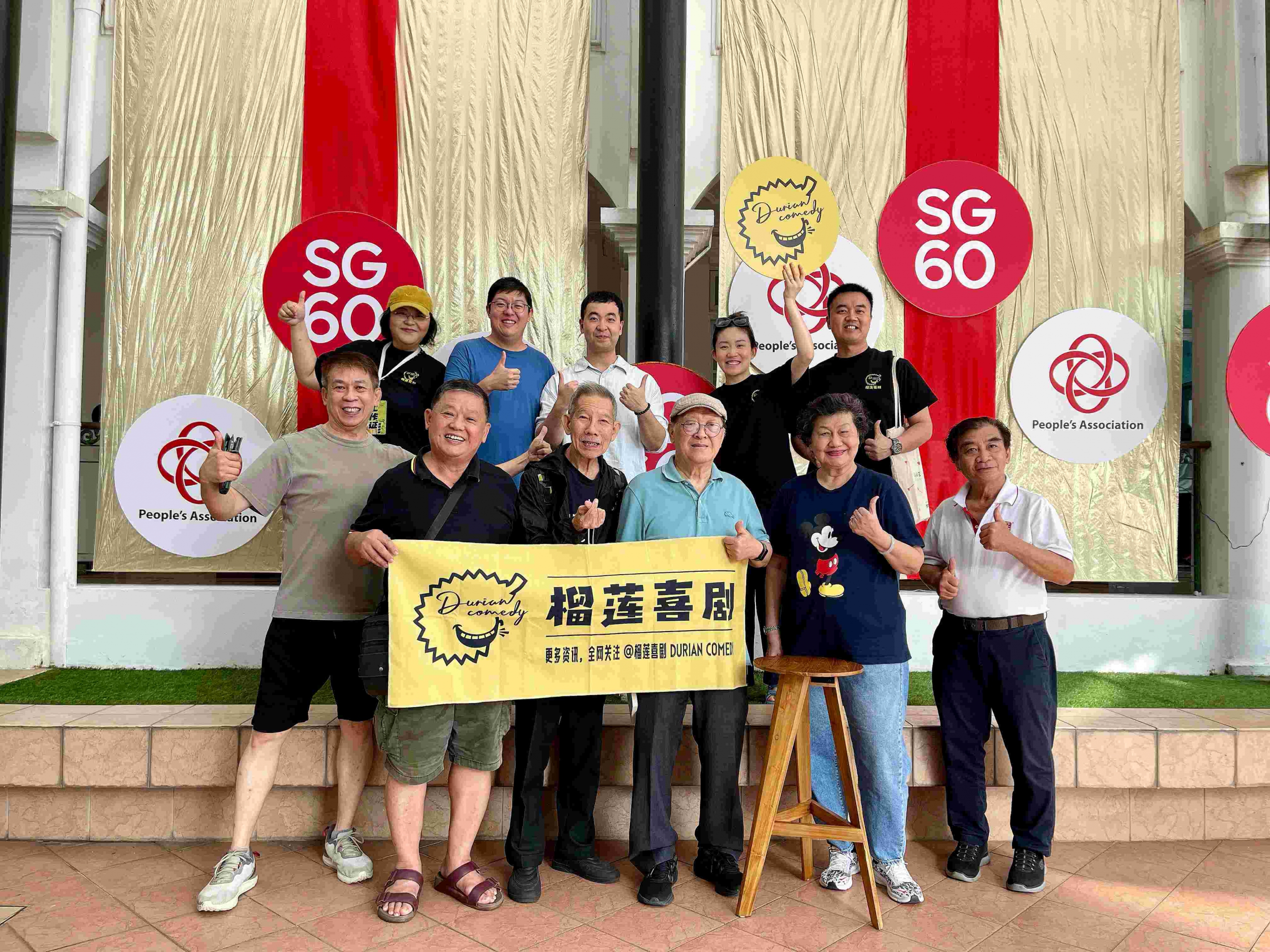
在去年建国60年的各项庆典表演活动中,脱口秀也占一席之地,这说明这项表演正渐渐在本地扎根。
–
榴梿的个性,喜剧的灵魂。
至于为何取名“榴莲喜剧”?
“榴梿是新加坡很有代表性的水果,很独特。喜欢的人爱之如蜜,不喜欢的人弃之如屣。”王翔宇笑说:“就跟我的性格一样。”

The Mandarin Punchline
Wang Xiangyu and Shi Yunding founded Durian Comedy to introduce Chinese stand-up to Singapore, expanding the genre by engaging diverse communities and partnering with local creatives.
Translation: Hong Xinyi
Born in 1993 in Henan’s Pingdingshan(河南平羖山), Wang Xiangyu(王翔宇)dreamt of being an astronaut when she was a child. That led her to a PhD in spaceflight engineering at Beihang University, but workplace realities left her weary. After marrying Shi Yunding(石云鼎), who had been working in Singapore for several years, she moved to Singapore in 2021 and began a new life here.
Back then, Singapore still had Covid-19 pandemic measures, including restrictions for in-person gatherings. Wang felt lost in this foreign environment. “I like to look for meaning,” she says. “But during that period, I could not find any.” She sought comfort in watching stand-up comedy online. In recent years, this style of performance, which draws on the comedian’s personal experiences, has become very popular with China audiences, thanks to web shows such as Rock & Roast and Roast. (《脱口秀大坤》以及《吐槽大坤》)
Wang started thinking about introducing Chinese-language stand-up comedy to Singapore. In 2024, Wang and Shi launched Durian Comedy(榴犰喜削), naming their venture after Southeast Asia’s king of fruits. “Durian is unique — you either love it or hate it,” Wang explains. The extreme attitudes it provokes reminds her of herself, she shares.
Besides bringing in popular comedians from China such as Hei Deng, Tang Xiangyu, and Ergou, Durian Comedy also presented “open mic” events where anybody could perform. But Wang and Shi soon realised the realities of such comedy’s appeal in Singapore. The primary audience here were new immigrants from China. The local youth had a limited interest in the Chinese language. And while some older Singaporeans have a stronger foundation in the language, stand-up comedy from China also draws on cultural references and lived experiences that local audiences do not share.
The couple wanted their shows to connect with a larger local audience. So they set themselves a clear goal: Not only must local audiences understand the performances presented by Durian Comedy, they must also be able to relate to the material.
To realise this goal, they ventured into the community, teaching stand-up comedy classes and staging performances at community clubs. Their efforts bore fruit at their Singapore Xiangsheng & Comedy Festival. Over 700 of the 900-strong audience for this event came from groups based at local community clubs, says Shi, and seniors were particularly engaged. This proved that Chinese-language stand-up comedy had cross-generational potential in Singapore.
Durian Comedy also worked with Sin Feng Xiang Sheng Society and NanFang Arts, which are longstanding Singapore cultural organisations. These collaborations became starting points for integrating with local culture. Wang and Shi also linked up with Singaporean comedians, Chinese-language teachers, and theatre practitioners, and invited them to give stand-up comedy a try. Comedian Mark Lee, Golden Horse Award nominee Yong Ser Pin, and veteran crosstalk performer Johnny Ng, for example, have all performed in Durian Comedy shows. Stand-up comedy thus became a space of exploration for people of different generations and various disciplines, who share the commonality of working with the Chinese language.
And Durian Comedy is not done expanding the possibilities here. The company has presented events by the popular Fan Deng Reading Club in Singapore, as well as the play Four Generations Under One Roof.
To connect with the younger generation, it is experimenting with using stand-up comedy techniques as tools of expression and communication that are also useful when training for events such as the inaugural National Schools Chinese Debate Competition. Among the feedback that has left a deep impression on the couple were some parents’ observations about how their children’s attitudes towards the Chinese language changed, from disinterest to enthusiasm, after catching a performance — because that’s when they realised this language can be funny.