
“五帮共融”系列之潮州人—潮州人的狮城百年根系
办学,行善、立根,从族群互助走向社会体制的百年路径。
资料来源│新加坡华族文化百科
图│新报业媒体提供
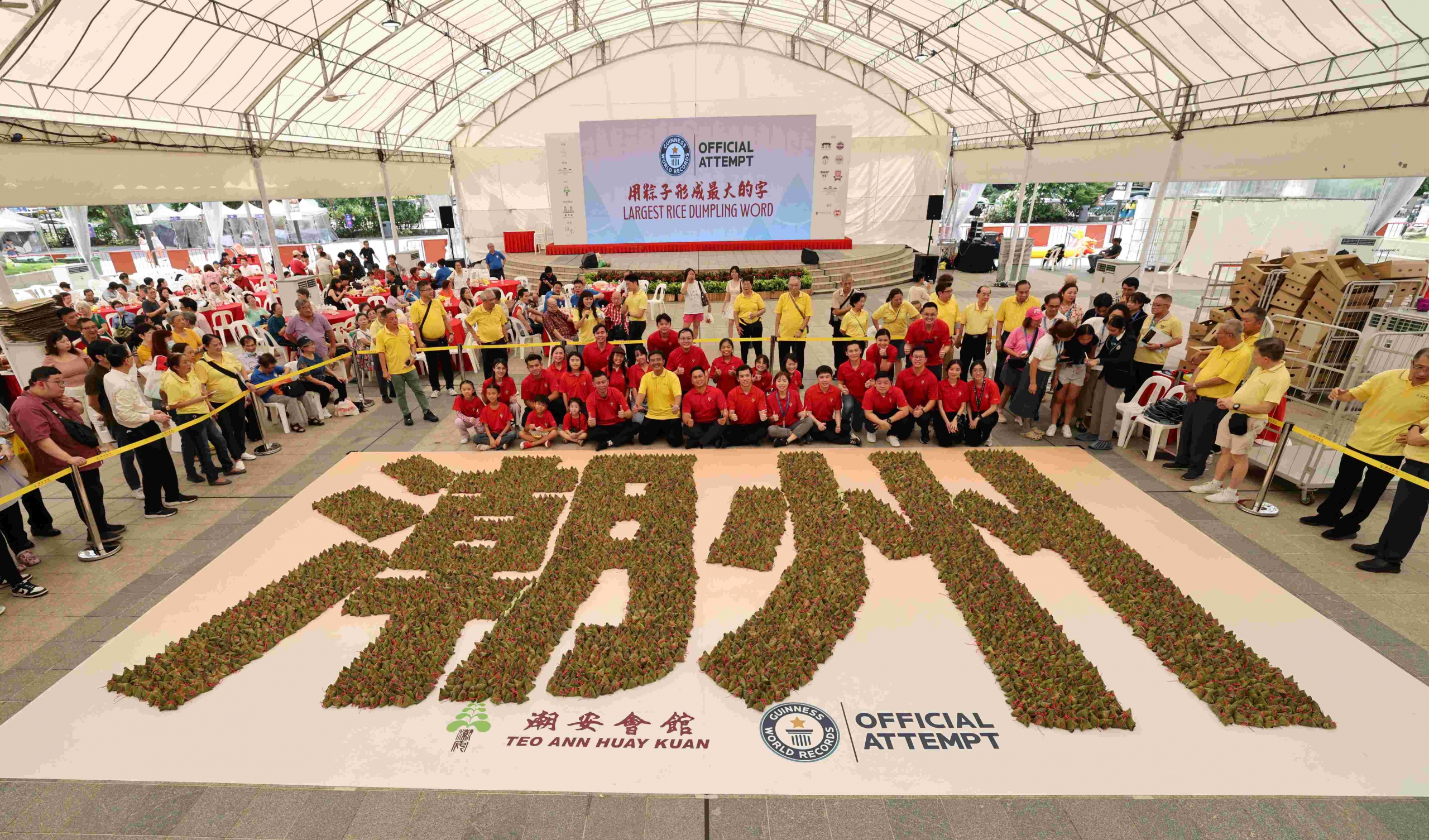
新加坡的潮州人口仅次于福建人,早期潮帮群体大多从事胡椒或甘蜜种植。19世纪末,潮州社群迅速壮大,经商、办学以及公益都非常积极。
跟福建人一样,潮州人很早就移民至新加坡。潮帮最古老的庙宇——粤海清庙在1826年便已落成,比闽帮的恒山亭和天福宫更为悠久。粤海清庙在创立后很快成为本地潮州社群的信仰中心,并在1845年后由义安公司管理。
哪些是潮州人学校?
1906年端蒙学堂之开办,是新加坡潮州人创校之先声。二战前后,潮州社群已有植哲、擎青、醒华、陶蒙、陶英、洛英、文选、树人、培英、培道、华农、辅女、广德、励新、南强、中国公学、南洋商科学校、同敬、南安、朝阳、义安女校(今义安小学)等多所私立或由宗乡社团、善堂主办或赞助的学校,潮州人信托机构义安公司扮演了最主要的角色。这些学校规模不一,但在行政和教学上有严密的组织和系统,对不同籍贯的贫寒学生一视同仁,无分畛域地资助他们的学费。
1940年建立的义安女校和1963年创办的义安学院,是新加坡潮州人教育事业的里程碑。前者为当时潮州社群在马来亚所办的唯一女校,它的创立反映了当时潮籍领袖摒弃重男轻女的落伍观念,展现高瞻远瞩的精神去培育下一代。后者则是当时潮州人在海外创建的唯一高等学府,旨在培养科技与商科人才,以应社会经济发展之需,至今已发展为一所广为人知的综合型大专学府,更名义安理工学院。
现今潮州社群创办的学校多已不复存在,尽管有一些政府学校沿用潮州人学校的校名。然而,义安公司仍然定期资助义安小学、义安中学和义安理工学院,并从1998年开始设立专门机构,与外国大学联办学位
课程。

端蒙学堂,创于1906年。

义安理工学院
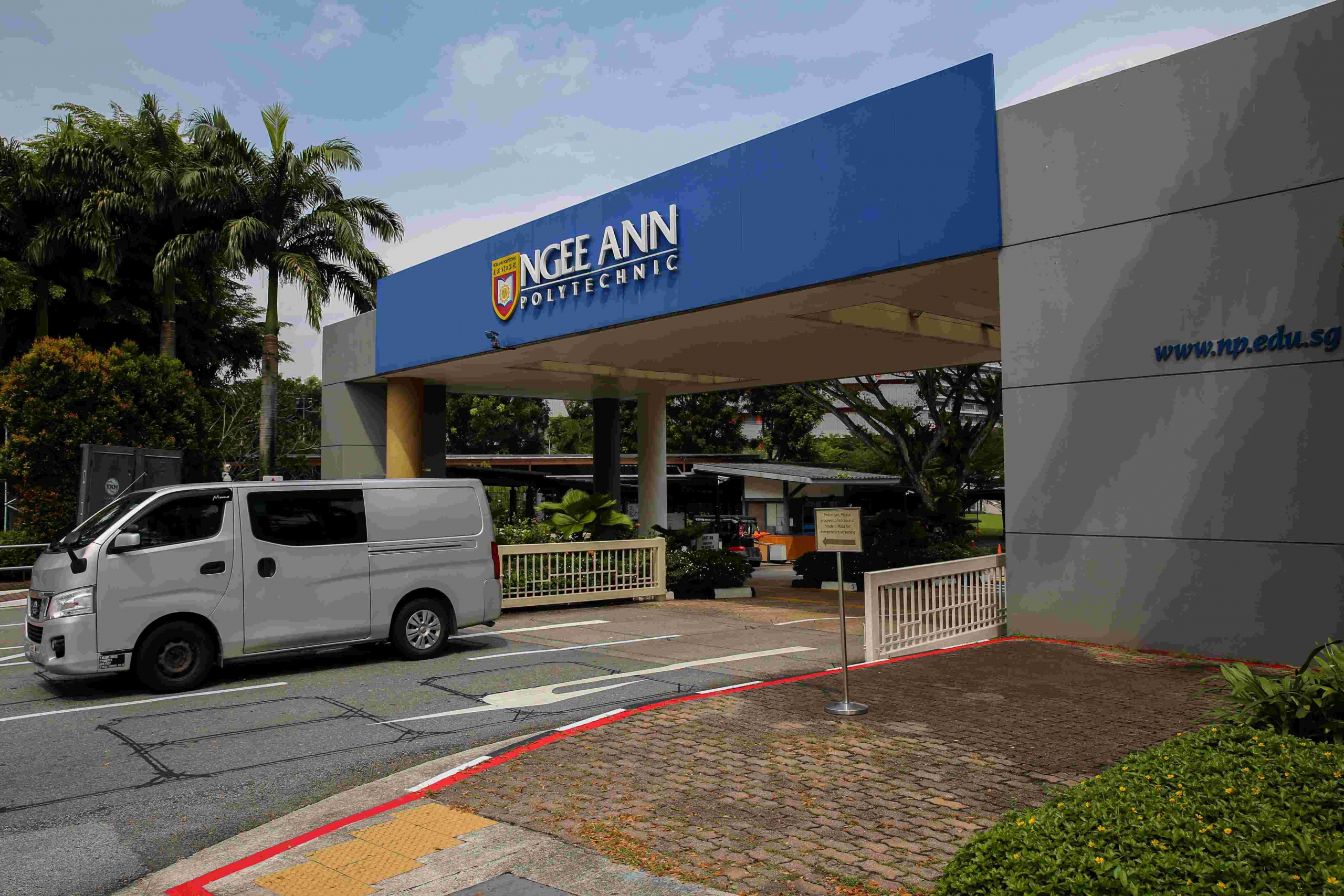
义安理工学院
早年的潮州坟山
1830年后,潮州富商佘有进召集当地潮州人12姓氏的代表捐资成立义安郡
(后改称义安公司),负责“集资购地,以供潮侨埋骨之所”。义安公司最先在1845年向英国东印度公司购置介于乌节路、波德申路和格兰奇路间的一片约70英亩的土地作为潮州人冢山。此地原是潮州人林泰山(生卒年不详)的甘蜜和胡椒园,故命名为泰山亭。
之后,义安公司陆续购地用做潮州人坟山,包括位于马里士他路与
汤申路之间的广恩山(约45英亩)、位于实龙岗路上段的广义山(约45英亩)、位于武吉班让路的广孝山(36英亩)、位于武吉知马路(义安理工
学院现址)的广寿山(99英亩)及位于樟宜马达依甘的广仁山(约一英亩余)。1933年,政府也将位于三巴旺路的原潮州人冢山广德山(约79英亩)交义安公司接管。1961年,义安公司也在实龙岗路上段近广义山处建了潮州殡仪馆。
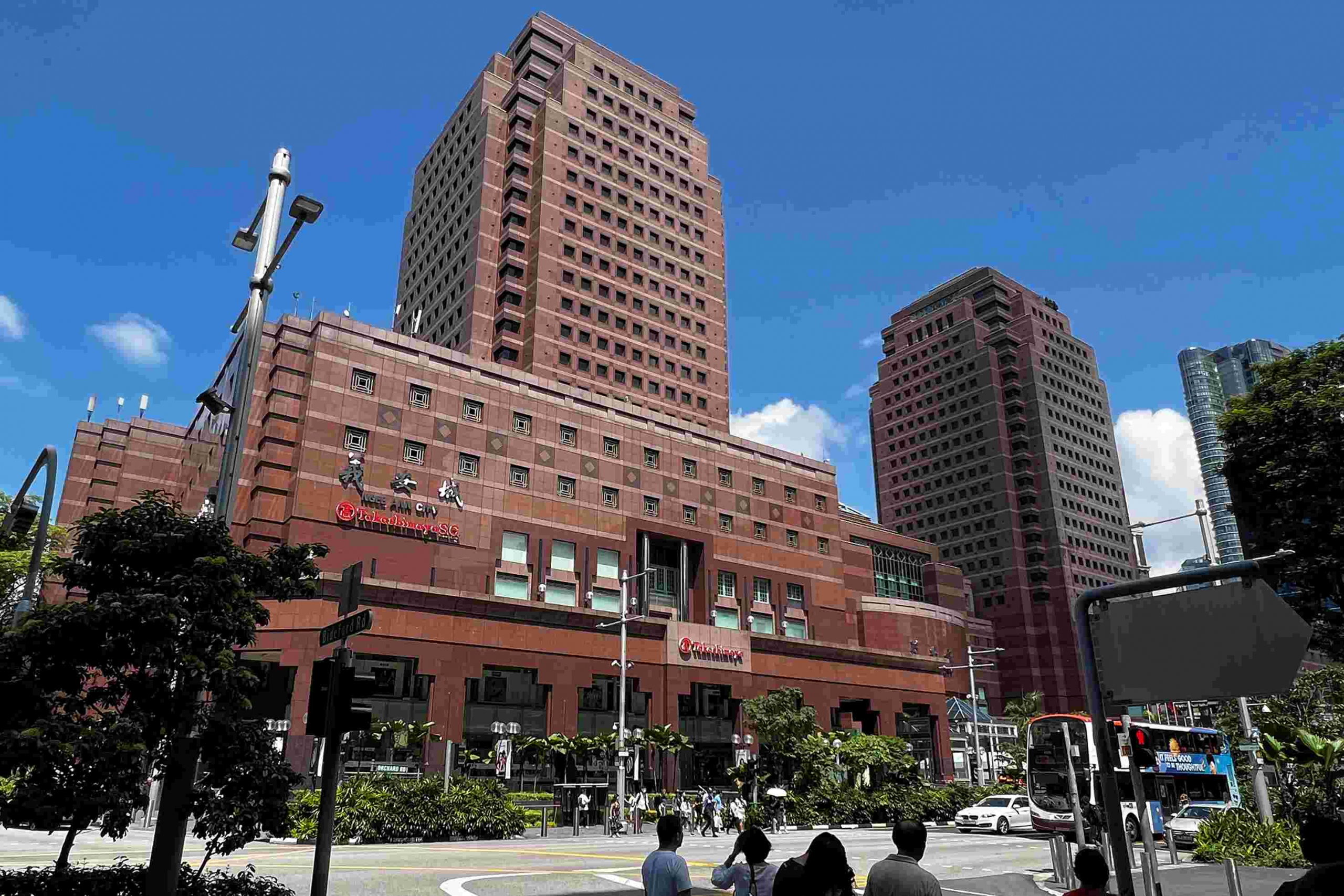
义安城的所在地曾经是潮州人坟山泰山亭。
潮州人和蓝十
1916年成立的修德善堂是本地最早创立的潮州善堂,之后相继建立的普救(1929)、南洋同奉(1930)、修德大巴窑分堂(1942)、同敬(1943)和南安(1944)善堂于第二次世界大战期间组成中华善堂蓝十救济总会(日据初期开始酝酿,1945年1月正式成立),简称蓝十,负起救伤恤贫、收尸义殓的社会救援工作。战后建立的同德(1950)、修德武吉知马分堂(1959)、报德(1961)、南凤(1961)、众弘(1974)与崇峰(1977)善堂,先后加入蓝十。
随着时代与生活环境的变迁,潮州善堂亦与时并进,从1990年代开始转型,走入广大社区。例如扩大中西医施医赠药的规模、建立设施齐备的疗养院、洗肾中心、老人院和护理中心、后事服务中心、家庭服务中心,并捐助各慈善团体、社区教育基金等。到了21世纪,一些善堂还成立福利协会,更专业和有效地推广各种慈善事业,并获得公益机构的法定地位。
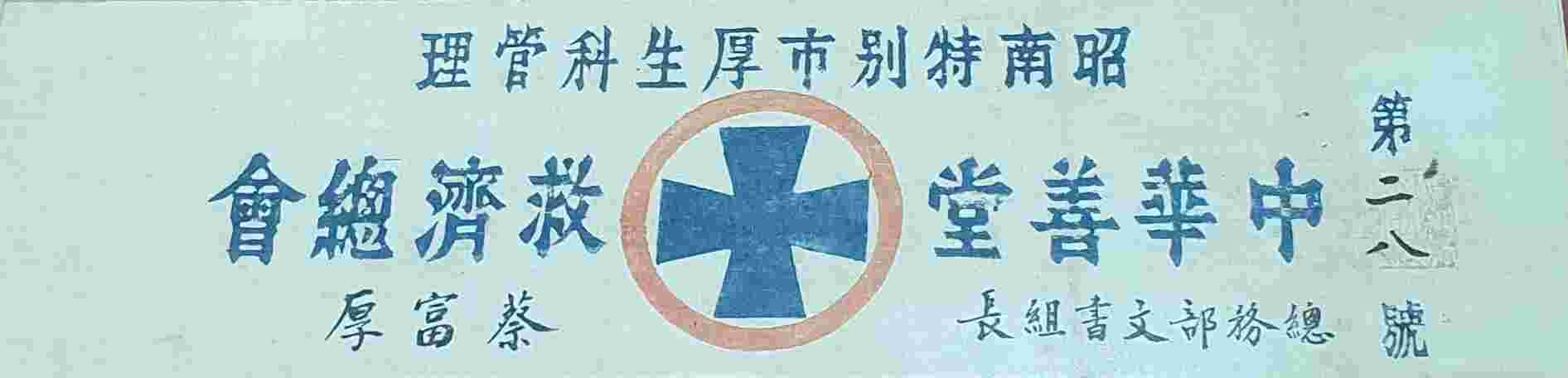
日治时期昭南特别市厚生科发给中华善堂蓝十总会会员的臂章。
资料来源:新加坡华族文化百科,《新加坡潮州社群的教育事业》(李志贤)、《新加坡潮州社群的坟山与公墓》(李志贤)、《新加坡潮州社群的公共慈善事业》(李志贤)
–
你可知?
义安公司的公益事业
1933年,义安公司改立章程,注册为潮州人信托和慈善机构。之后,接管端蒙中学,创办义安女校(今义安小学)和义安学院(今义安理工学院),提供大专奖助学金,又设立义安产业管理有限公司和义安发展有限公司,将75%的投资和房地产租金年收入盈余供义安理工学院各项发展之用;2007年,改为25%,将其余50%资助其他教育科技和公益慈善。至今捐出的善款数以亿计。

2025年9月,义安公司捐赠120万元给南洋艺术学院。
本地的潮州公墓
从1950年代开始,潮州坟山和殡仪馆先后被政府征用来进行公共建设。当时从各坟山的墓地移出的先人骨骸中约有3万4000副无人认领。义安公司在被征用的广德山原址,向政府长期租赁一块六公顷土地建一座潮州公墓,将这些遗骸和火化后的骨灰安置其中,并常年联合其他潮州社团在公墓举行公祭与追思仪式。义安公司也在1989年于乌美四路兴建现代化的殡仪馆,且开放给非潮籍人士使用。
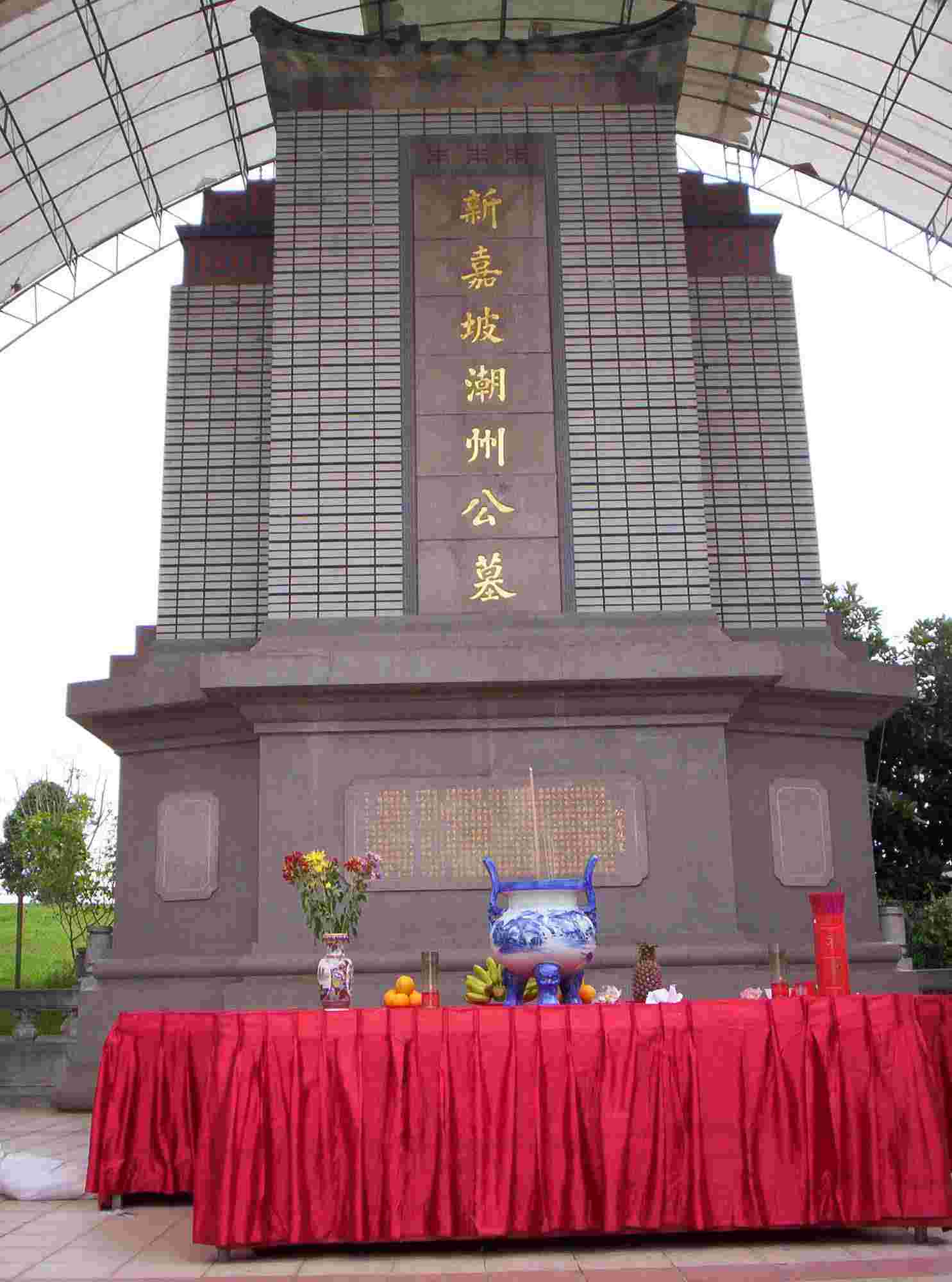
潮州公墓
资料来源:新加坡华族文化百科、《联合早报》
–

扫描二维码,浏览更多精彩内容
Five In One Series: Teochew Singaporeans
The Teochews are the second-largest of Singapore’s five main Chinese dialect groups. Early Teochew immigrants worked in gambier and pepper plantations. Later on, they flourished in business, education, and charitable organisations.
Translation: Hong Xinyi
Teochew schools
In 1906, Tuan Mong School opened, becoming the first of numerous schools set up by the Teochew community in Singapore. Some of these were privately run, while others were funded by Teochew clan associations and charity halls (shantang).
The establishment of Ngee Ann Girls’ School in 1940 was another milestone. As the only girls’ school sponsored by the Teochew community in Malaya at the time, it reflected a commitment to gender equality.
Then came Ngee Ann College in 1963. This was the only institution of higher education founded by the overseas Teochew community, and aimed to nurture professionals in technology and business. Now known as Ngee Ann Polytechnic, it has become a well-known institution of higher learning for science and engineering.
Early Teochew cemeteries
Around 1830, Teochew businessman Seah Eu Chin rallied the Teochew community to set up Ngee Ann Kun (later renamed Ngee Ann Kongsi). This association purchased land for Teochew immigrants to use as burial grounds, including the 70-acre piece where Ngee Ann City shopping and office complex now stands. Other Teochew cemeteries included Kwong Siu Suah in Bukit Timah Road, which is now the location of Ngee Ann Polytechnic.
Blue Cross
Seu Teck Sean Tong, founded in 1916, was the first Teochew charitable hall in Singapore. The charitable halls that were set up subsequently came together to form the Blue Cross Charitable Institution, which in 1945 began to provide medical services, assistance for the poor, and free burials. Charitable halls established after World War II also joined the Blue Cross.
From the 1990s onwards, charitable halls began to reach out to the wider community with updated and expanded services and facilities. Some charitable halls have also obtained Institutions of a Public Character status.
Did you know?
- Yueh Hai Ching Temple was set up by Teochew immigrants, and is believed to have been built before 1826. It was an important hub for the Teochew community here, but Ngee Ann Kongsi took over this leadership role beginning in 1845.
- In 1933, Ngee Ann Kongsi revised its constitution and registered itself as a trust and charity institution for Teochew people. Subsequently, it managed and founded schools, and offered scholarships and bursaries for higher education. To date, Ngee Ann Kongsi has donated billions of dollars to various causes.
- Starting from the 1950s, Teochew cemeteries were requisitioned by the government for redevelopment. With 34,000 remains left unclaimed from these sites, Ngee Ann Kongsi leased a 6ha plot of land to use as a Teochew communal cemetery (now Teochew Memorial Park) for these remains.

Scan this QR code to read more on Culturepaedia