
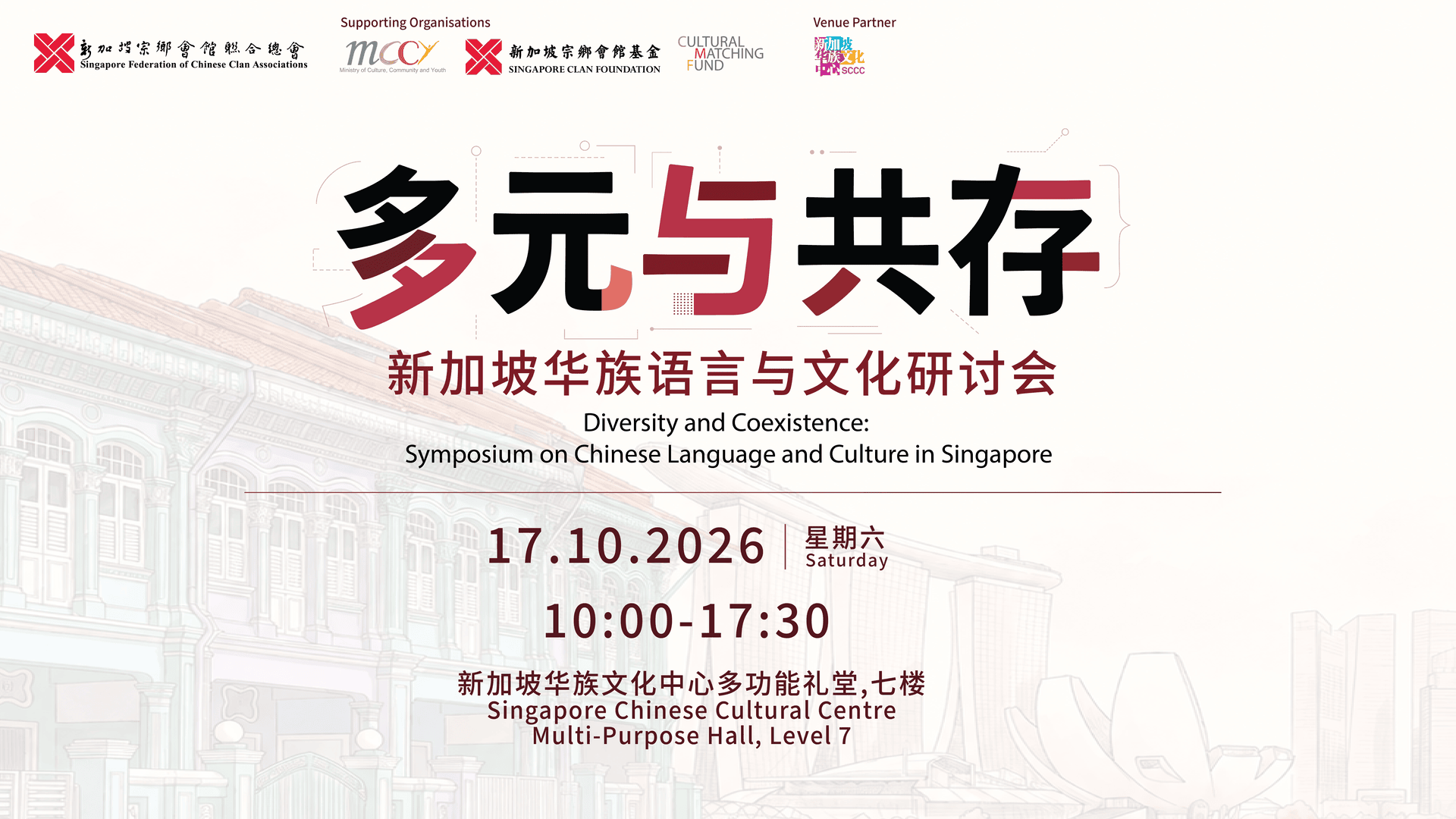
Diversity and Coexistence:
Symposium on Chinese Language and Culture in Singapore
多元与共存:新加坡华族语言与文化研讨会
Programme Highlights
Diversity and Coexistence in Singapore’s Nation-Building
Prof. Leo Suryadinata
🕒10:30-11:30
Panel Session 1:
Language and Education
🕒11:45-13:15
Taking Root: Immigrant Stories and Shared Memories in Media
Prof. Chiang Bo-Wei
🕒14:15-15:15
Panel Session 2:
Folk Traditions
and Beliefs
🕒15:15-16:45
Speakers & Topics
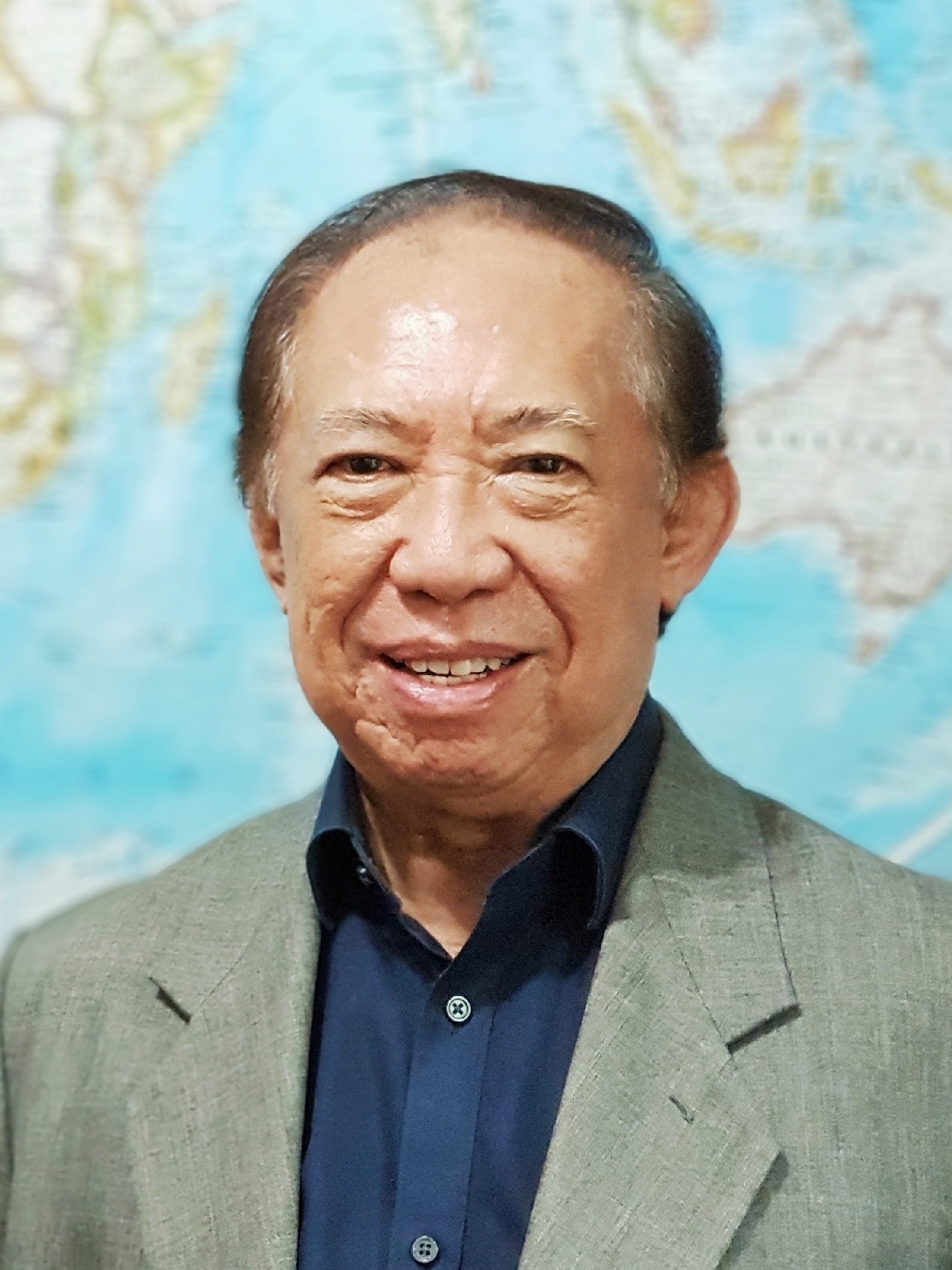
Diversity and Coexistence
in Singapore’s Nation-Building
Prof Leo Suryadinata
Senior Fellow, ISEAS – Yusof Ishak Institute
Adjunct Professor, S. Rajaratnam School of International Studies, Nanyang Technological University
Since gaining independence 61 years ago, Singapore’s nation-building journey has been firmly anchored in the principle of multiracial coexistence. While the ethnic Chinese constitute approximately 75% of the population, Singapore is not an ethnically homogeneous country, but a multilingual and multicultural society. Against this backdrop, the Singapore government has consistently worked to forge a cohesive nation by highlighting shared historical memories, values, and national identity. Yet, in the absence of a common traditional language, and given the difficulty of forming a singular common culture, what challenges does Singapore face in the process of nation-building?
Citizenship and national identity are conceptually distinct. The former is essentially a legal status, whereas the latter encompasses history, culture, and psychological belonging. Therefore, nation-building should not be reduced to the mere construction of citizenship but rather deemed an ongoing project. This is particularly true in an era increasingly defined by globalisation, migration, and cultural diversity, in which nation-building becomes an ever more complex and continuous task.
This keynote address will examine, from the dual perspective of diversity and coexistence, the problems of language, culture, and values that Singapore's nation-building has faced, and will further consider the position and transformation of Chinese language and culture within this process. How has Singapore constructed a shared national identity amid such diversity? And what characteristics does this construction reveal?
These questions will form the central focus of the keynote address.
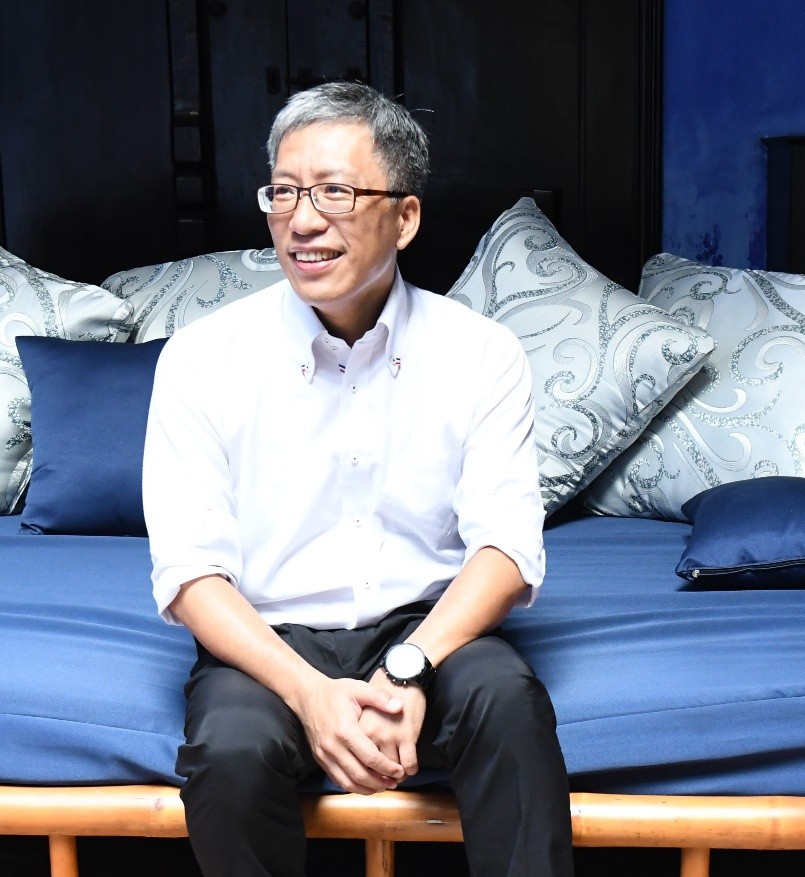
Taking Root: Immigrant Stories and
Shared Memories in Media
Prof Chiang Bo-Wei
Distinguished Professor of East Asian Studies,
Director of the Research Center for the Overseas Chinese,
National Taiwan Normal University
This talk is grounded in media, looking back on the historical trajectory of Singapore as an immigrant city. It also weaves together the larger history of nation-building and urban transformation alongside the smaller histories of the Kim Mui Hoey Kuan, family migrations, and individual lives. Captured within these photographs and films are not merely the parting, nostalgia and perseverance of early migrants who journeyed south, but also traces of communities taking root in a foreign land while preserving their native tongues. The talk will also introduce the stories of Western-style mansions born of the remittance economy built by overseas Chinese, tracing the emotional ties and memories that connect Singapore and Kinmen across the sea. As these films or artefacts are re-examined, scattered family histories converge into a communal narrative, becoming a shared memory that the city can share and pass on.
Language and Education
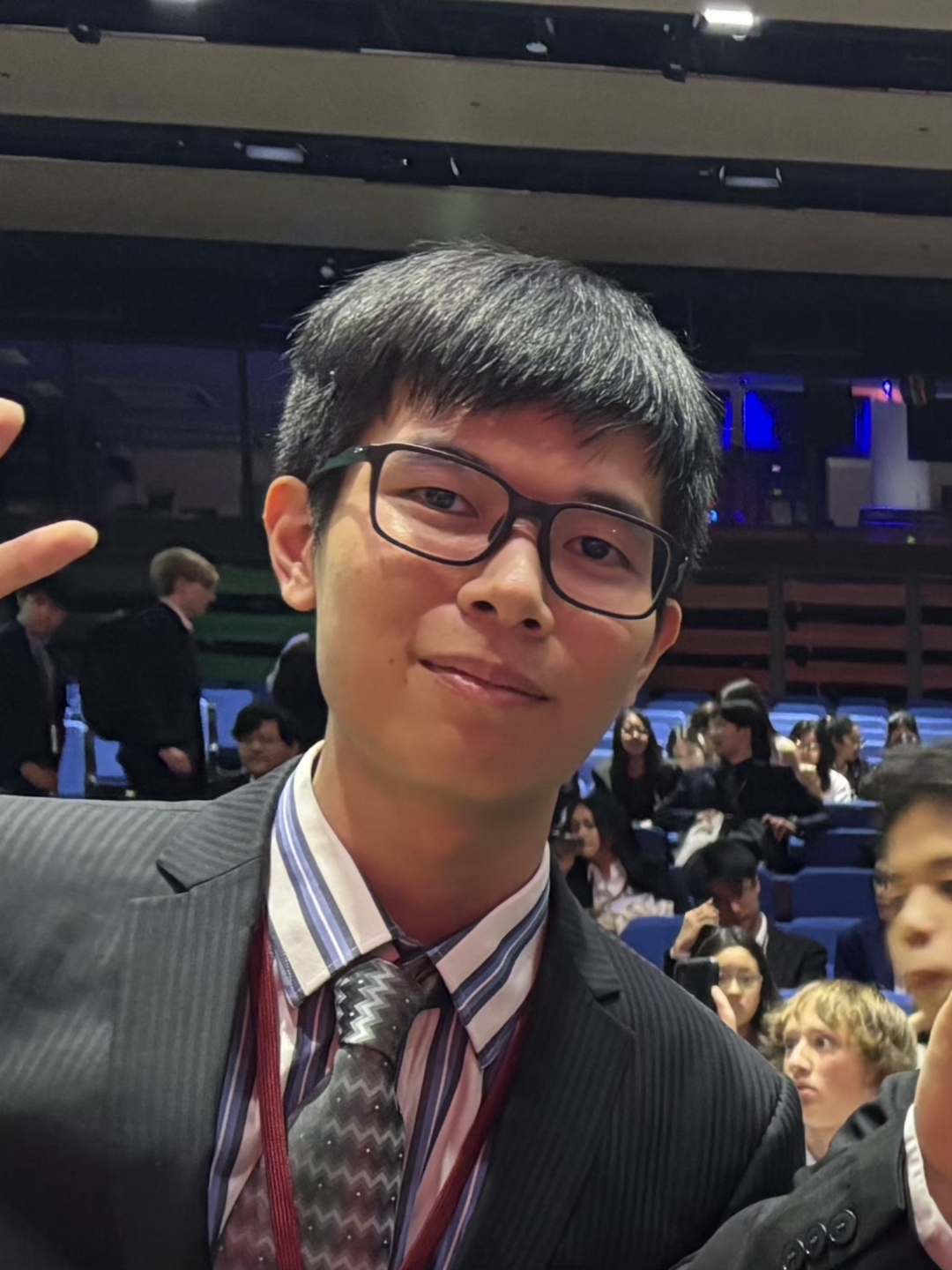
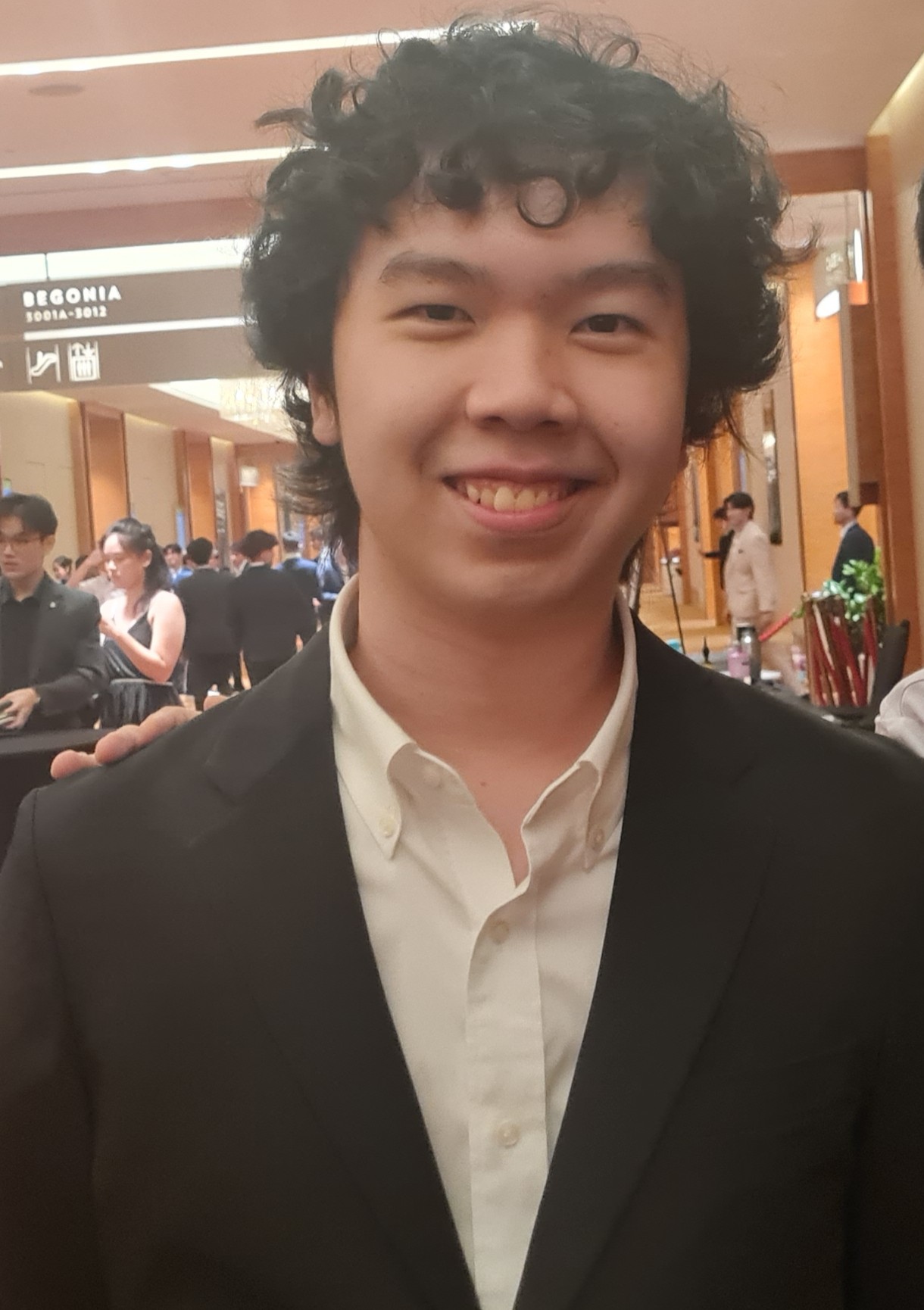
Mr Kam Hin Shing
Director
Raffles Dialects
Our presentation aims to explain the motivations and behaviours behind youths' interest in learning Chinese dialects in Singapore, based on data we have gathered by engaging with students. Additionally, the presentation will explain how Raffles Dialects came about, our purpose, past and future initiatives that will help promote the use and preservation of Chinese dialects in Singapore.
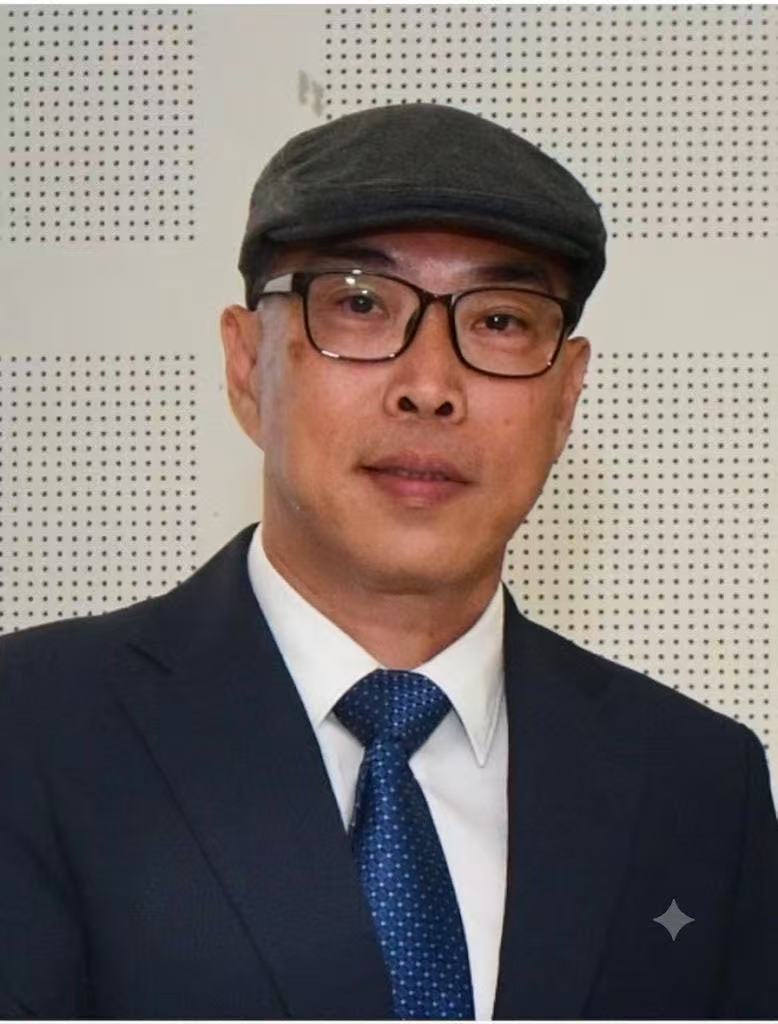
Mr Ben Tan
Founder and Director
Singapore Dialects
For decades, Chinese dialects in Singapore have been in decline. Following the 1979 Speak Mandarin Campaign and the growing dominance of English as the main household language, dialect usage among Chinese households fell to 6.7% by 2025, contributing to challenges in intergenerational communication and cultural transmission.
In recent years, interest in dialects has grown among younger generations, although accessible learning resources remain limited. This presentation explores the historical decline and contemporary revival of Singapore’s Chinese dialects, and how collecting, preserving and re-transmitting historical resources can provide younger generations with greater opportunities to learn about dialects and their related cultures.
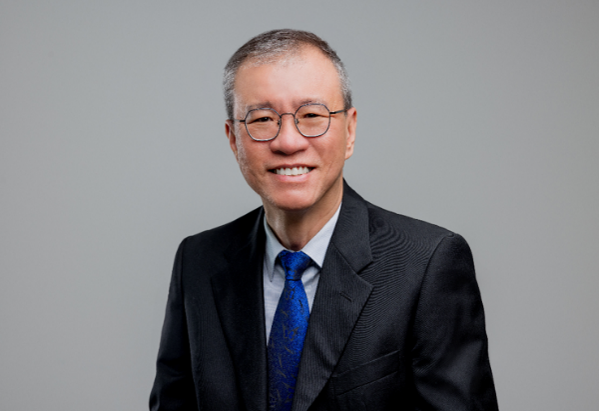
Dr Koh Chin Yee
Vice Chair, Cultural Committee
Singapore Hokkien Huay Kuan
In ancient times, dialects emerged naturally out of geographical isolation and limited transportation. With the advent of greater interconnectedness, the decline of dialects has become an inevitable trend. Yet dialects also serve as vessels of local culture. How to preserve local culture while dialects decline tests the sincerity and creativity of the Chinese community.
Dr Fong Yeow Wah
Director
Business China
This session examines the development of language planning in Singapore since its independence in 1965, focusing on the dominance of English as the working language and medium of instruction under the bilingual education policy. It explores how these policies have influenced patterns of language use and proficiency within the Chinese community over time, with a particular attention to the third-generation young ethnic Chinese adults who are born, raised and educated in Singapore. This generation presents a unique case for understanding the complex interplay between language, identity, and nation-building. Drawing on perspectives from education, society, and national development, the session examines how language planning and bilingual education policies have shaped Singapore’s multilingual and multicultural society and prompts reflection on the relationship between language, identity, and nation-building.
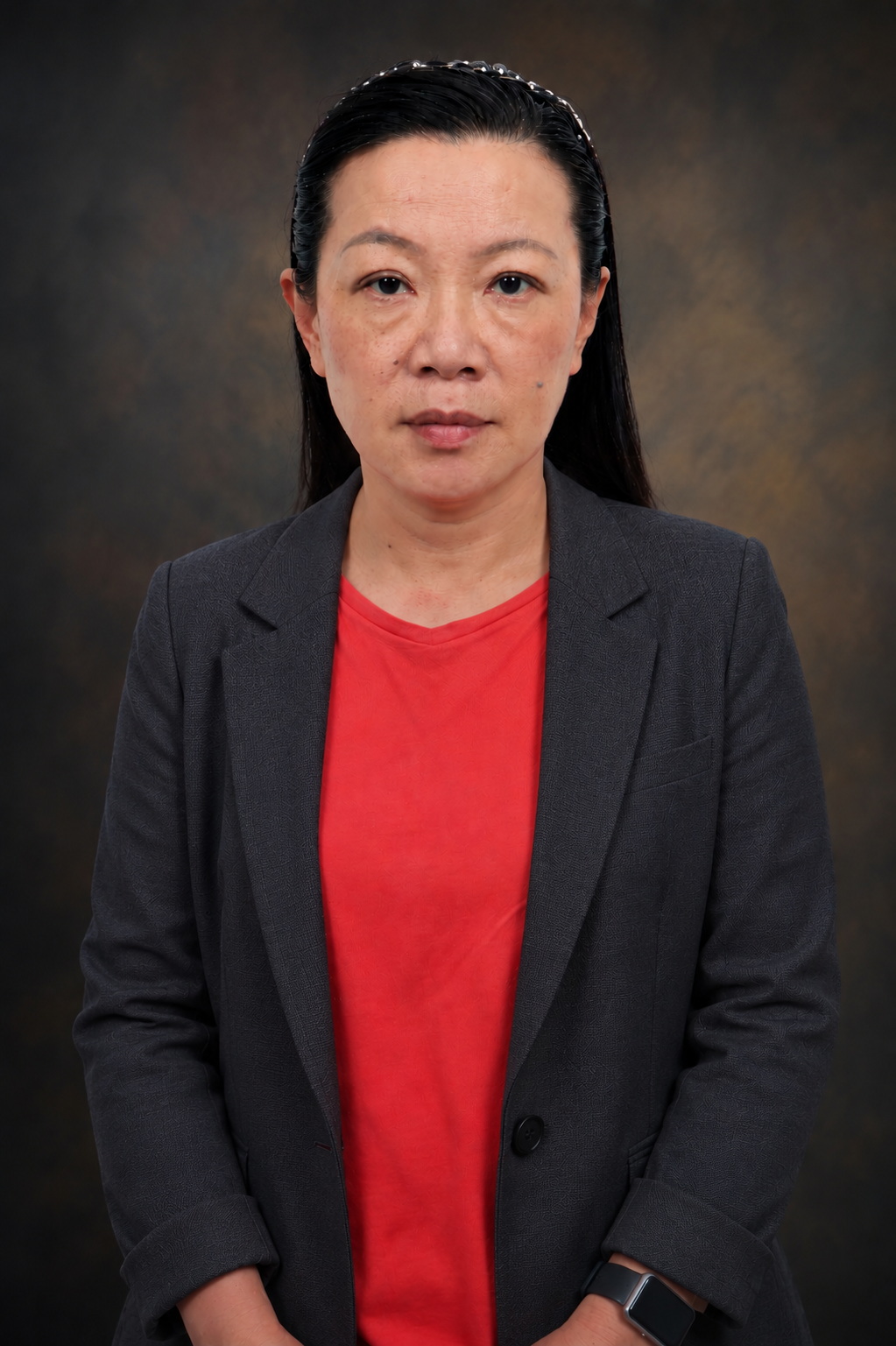
Ms Josephine Gan
Secretary-General
Singapore Hokkien Huay Kuan
Panel Session 2
Customs and Beliefs
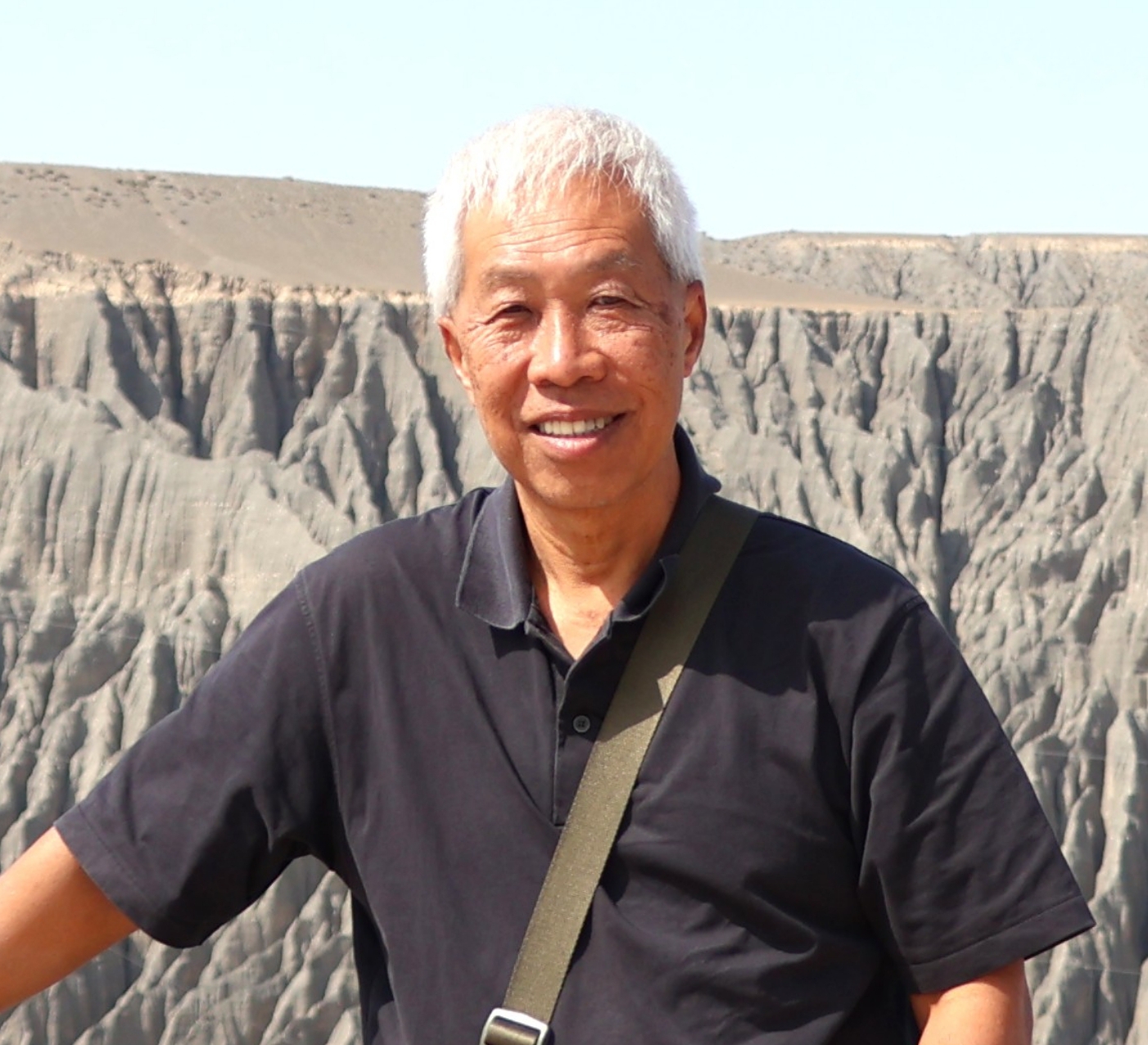
Mr Lee Kok Leong
Independent Cultural and Historical Researcher
Drawing on his own experiences growing up, the speaker traces the evolution of Singaporean Chinese folk customs and beliefs over more than half a century — from the ancestral altar at home in childhood, to the Qixi Festival, the Hungry Ghost Festival, and praying to the moon during Mid-Autumn Festival, through to the cultural shock of the Apollo moon landing. The talk examines how these customs have evolved alongside modernisation, growing religious diversity, and shifting lifestyles, and argues that what folk customs truly hand down is not ritual itself, but a community's shared cultural memory and values. Through the story of one family, the session offers insight into a broader chapter in the development of Singapore's Chinese community.
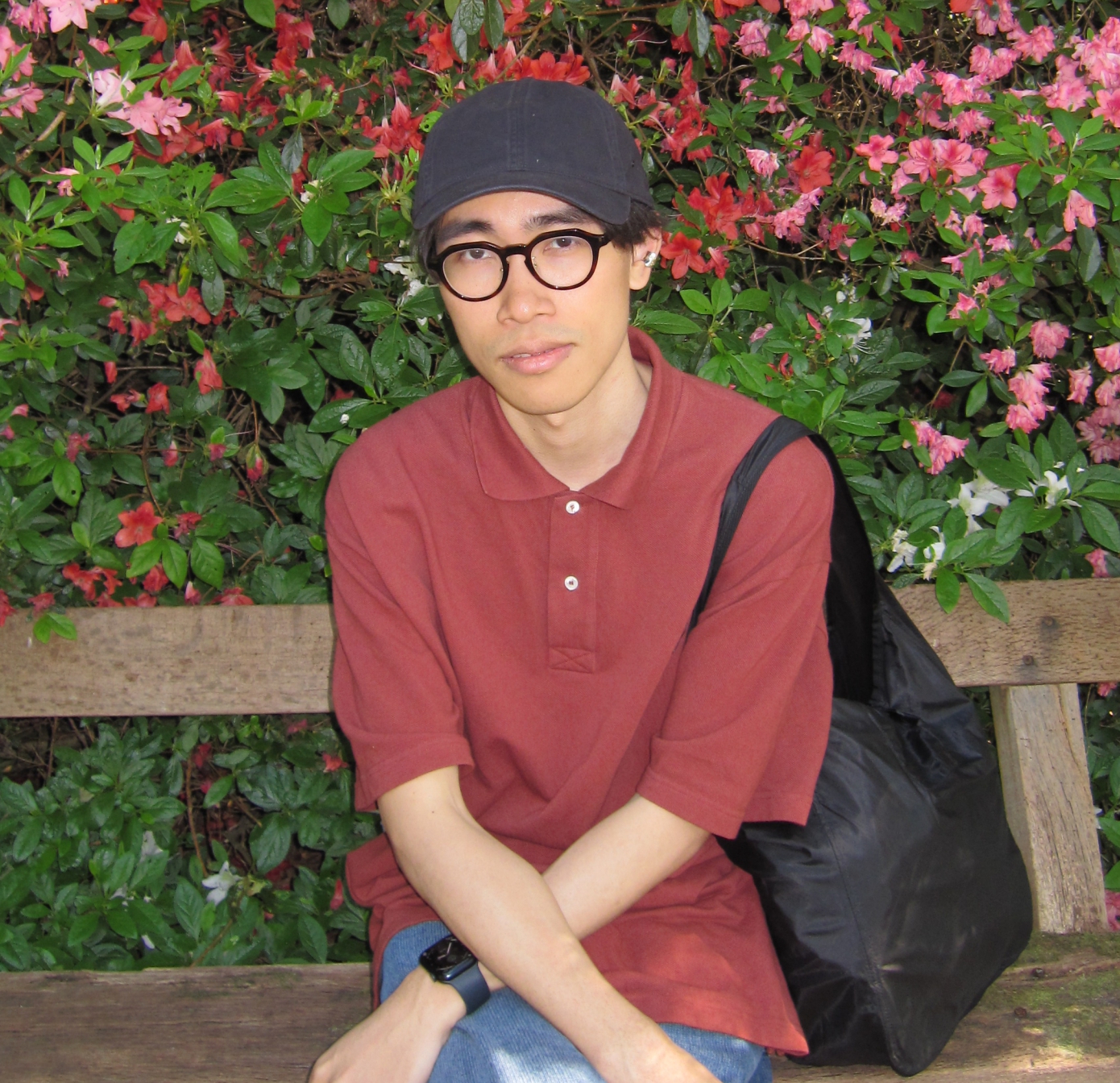
Mr Zhang Hanxiang
PhD Student
SOAS University of London
Kopi, Kopitiam, and Documentary
The speaker will share insights into the visual practices of Singapore’s Hainanese community, along with his experience directing documentaries centred on Hainanese communities across Southeast Asia. Using traditional coffee shops (kopitiams) as a guiding thread, his research project explores the heritage and memories of the Hainanese in Singapore. The presentation includes selected sequences from an ongoing documentary project, featuring kopi culture, kopitiam spaces, and interviews with kopitiam owners and members of Hainanese community.
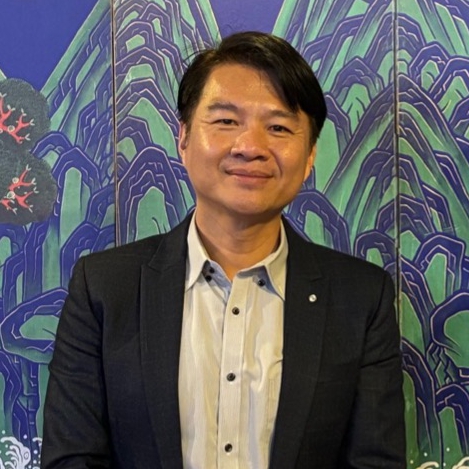
Prof Huang Wen-Chu
Distinguished Professor,
Department of Chinese Language and Literature,
Dean of College of Liberal Arts and Social Sciences,
National Pingtung University
" Rediffusion " Broadcast in Singapore and Malaysia
From the 1930s to the 1940s, modern musical elements brought by the gramophone and records entered Singapore and Malaya, bringing changes to the region’s musical culture as well as its forms of leisure and entertainment. Traditional musical performances, which had previously been confined largely to the relatively limited spaces of theatres, entered another kind of “recorded space” through records, before “broadcast music” eventually found its way into ordinary households. With the rise of the modern city, broadcasting gradually became part of the everyday lives of listeners and developed into a common form of entertainment shared by the wider public.
Focusing on Rediffusion in Singapore and Kuala Lumpur in the early 1950s, this presentation examines how “broadcast sound” enabled the circulation of sound across space, gradually shaping social interactions and contributing to the formation of a leisure system centred on Chinese-dialect entertainment. It further explores attempts to construct an imagined dialect-cultural community in the Nanyang region and to establish a form of discursive agency for these communities. Against the backdrop of the global Cold War, these developments also opened up the possibility of moving beyond, or engaging differently with, the binary framework of China and the West.
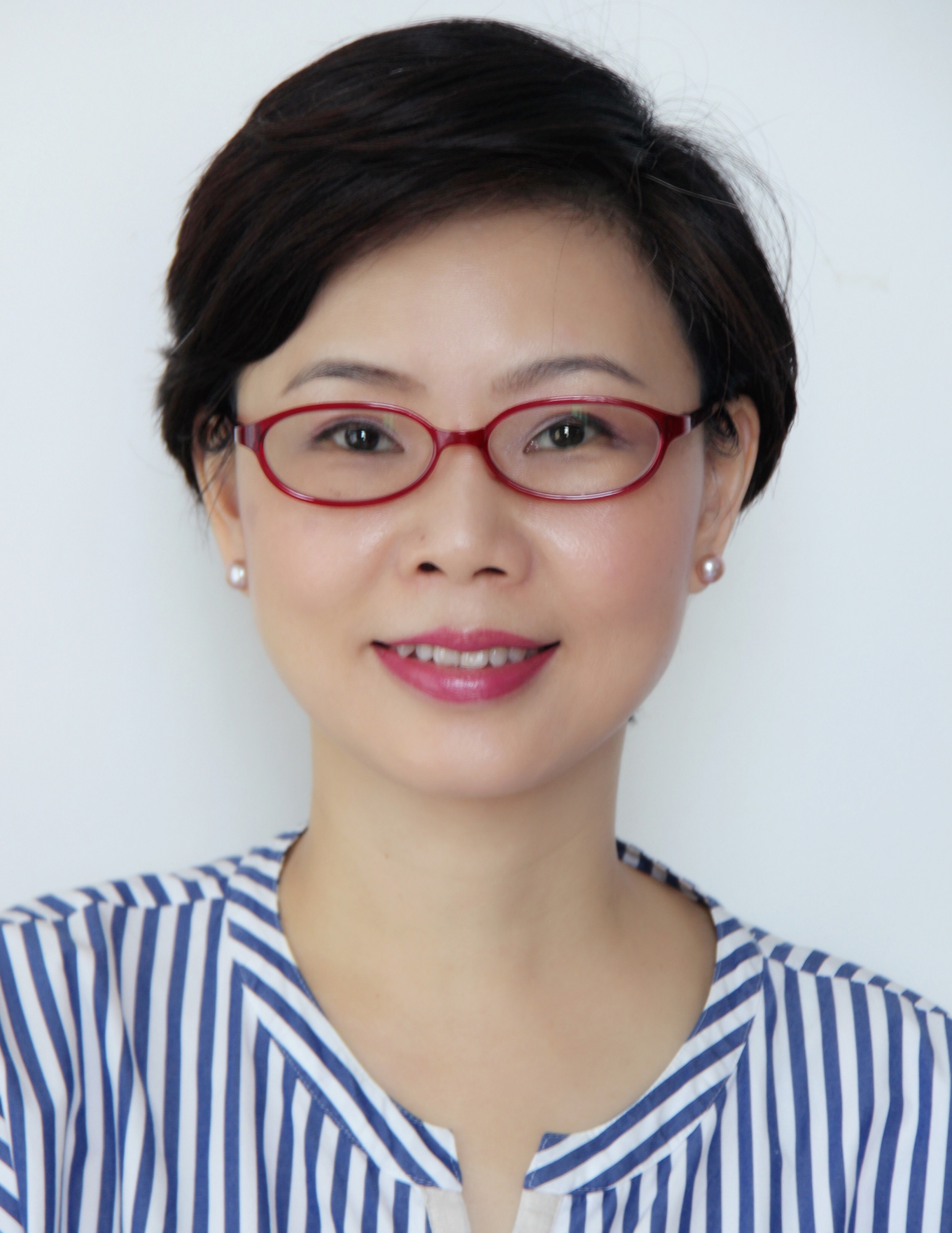
Dr Chen Yu
Founder and Host,
ON-LABO Adjunct Associate Professor, Department of Architecture,
College of Design and Engineering, National University of Singapore