
“五帮共融”系列之客家人
药香飘远,医社传善
从当铺到医社,从土楼到大伯公,他们为本地社会文化写下深远一章。
资料来源│新加坡华族文化百科
图│永定会馆、茶阳(大埔)会馆、国家档案馆、新报业媒体提供
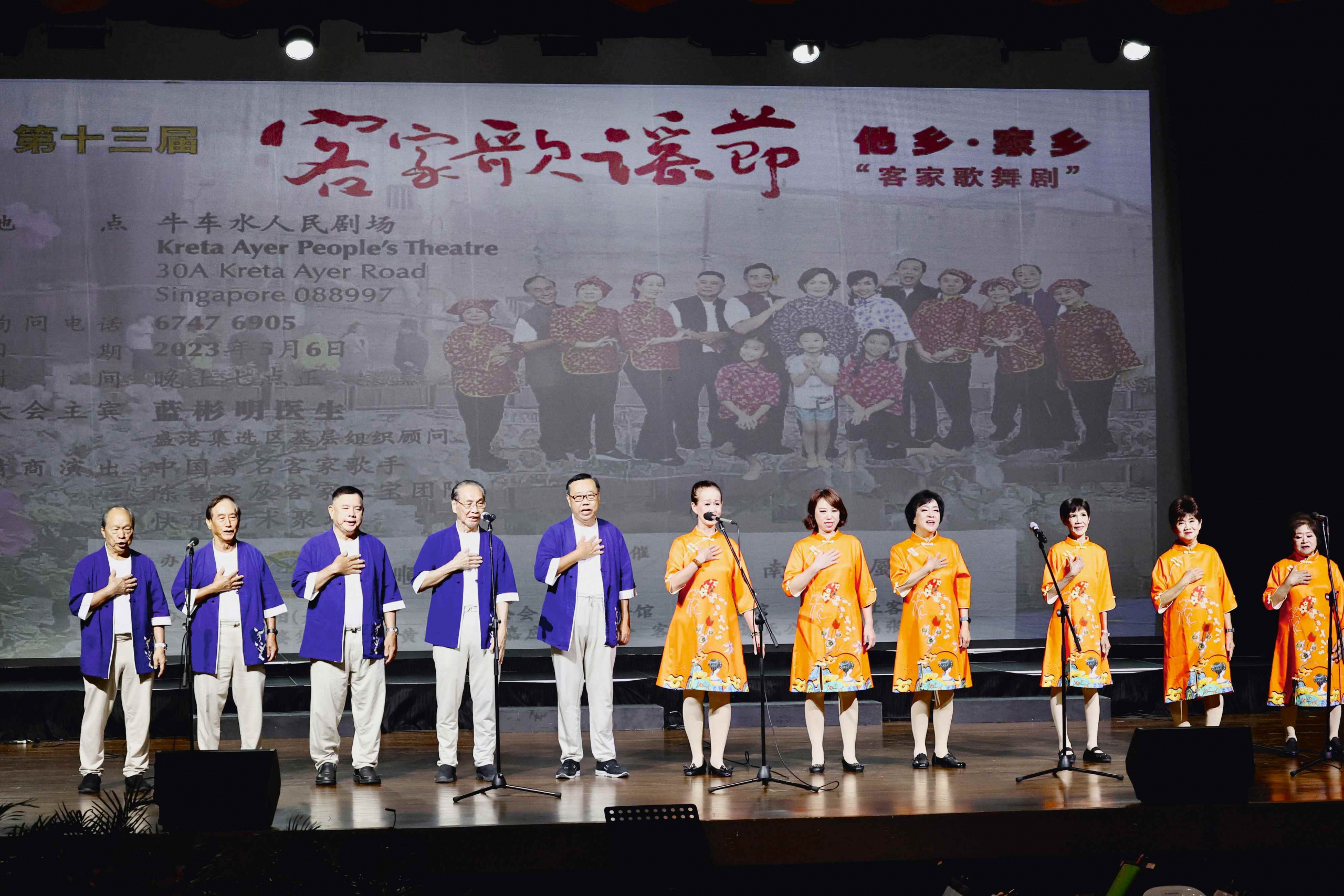
客家歌谣
-scaled.jpg)
传灯(图源:永定会馆)
客家移民最早何时抵达新加坡,尚无定论。可以确定的是,1819年英国人莱佛士登陆新加坡后不久,很多客家移民就已过番南来。1822年客籍的嘉应州人和惠州人分别成立应和会馆和惠州会馆,照顾同乡福利。目前新加坡的客家人口数约20万人。从19世纪以来,客家人占新加坡华族总人口的5%至8%。
客家人在典当业独占鳌头?
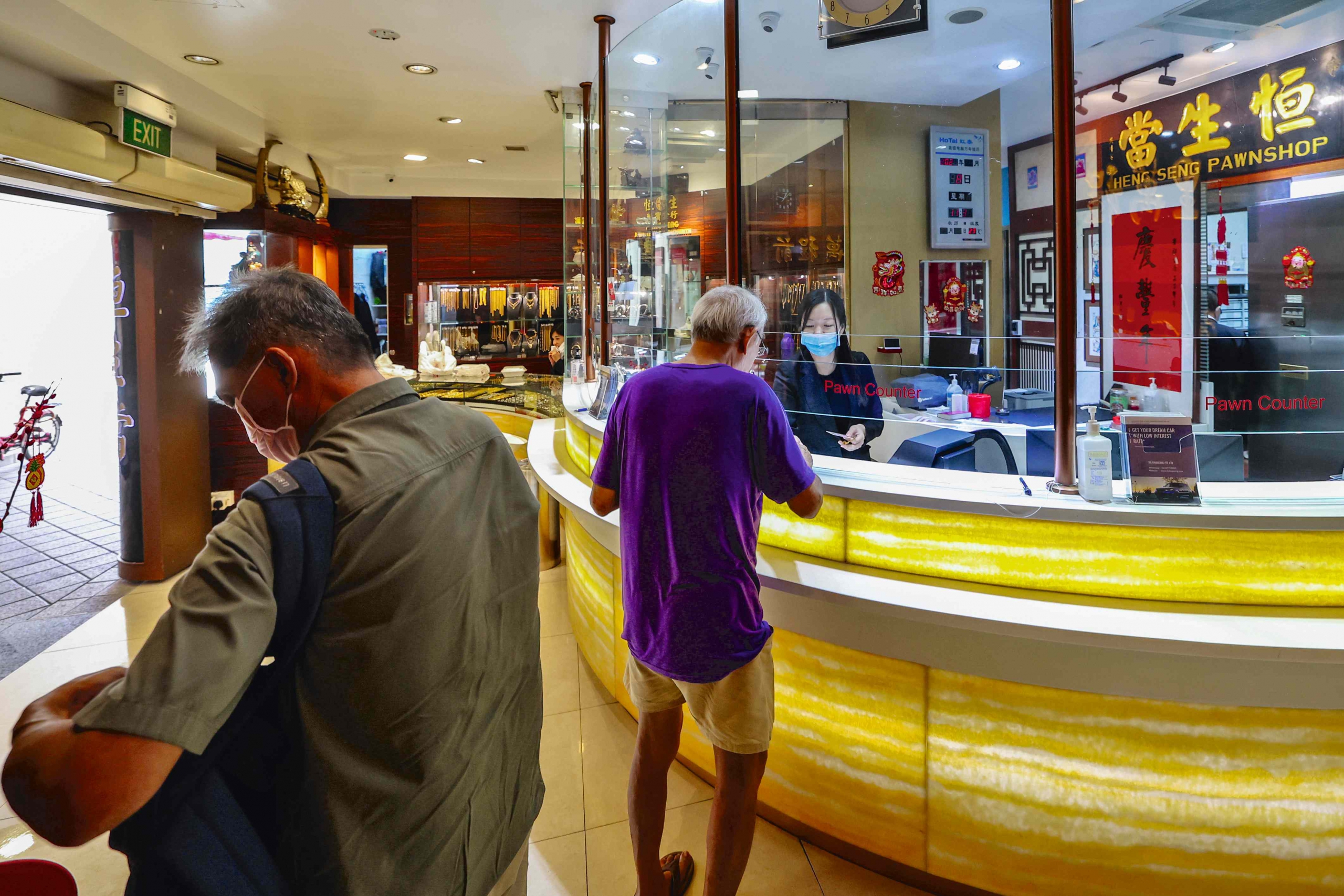
传统民营当铺顺应时代潮流,改变冰冷森严的围栏铁栅,以更明亮开放的设计迎接顾客,但顾客中,还是以中年以上的老客户为主。 (陈斌勤摄)
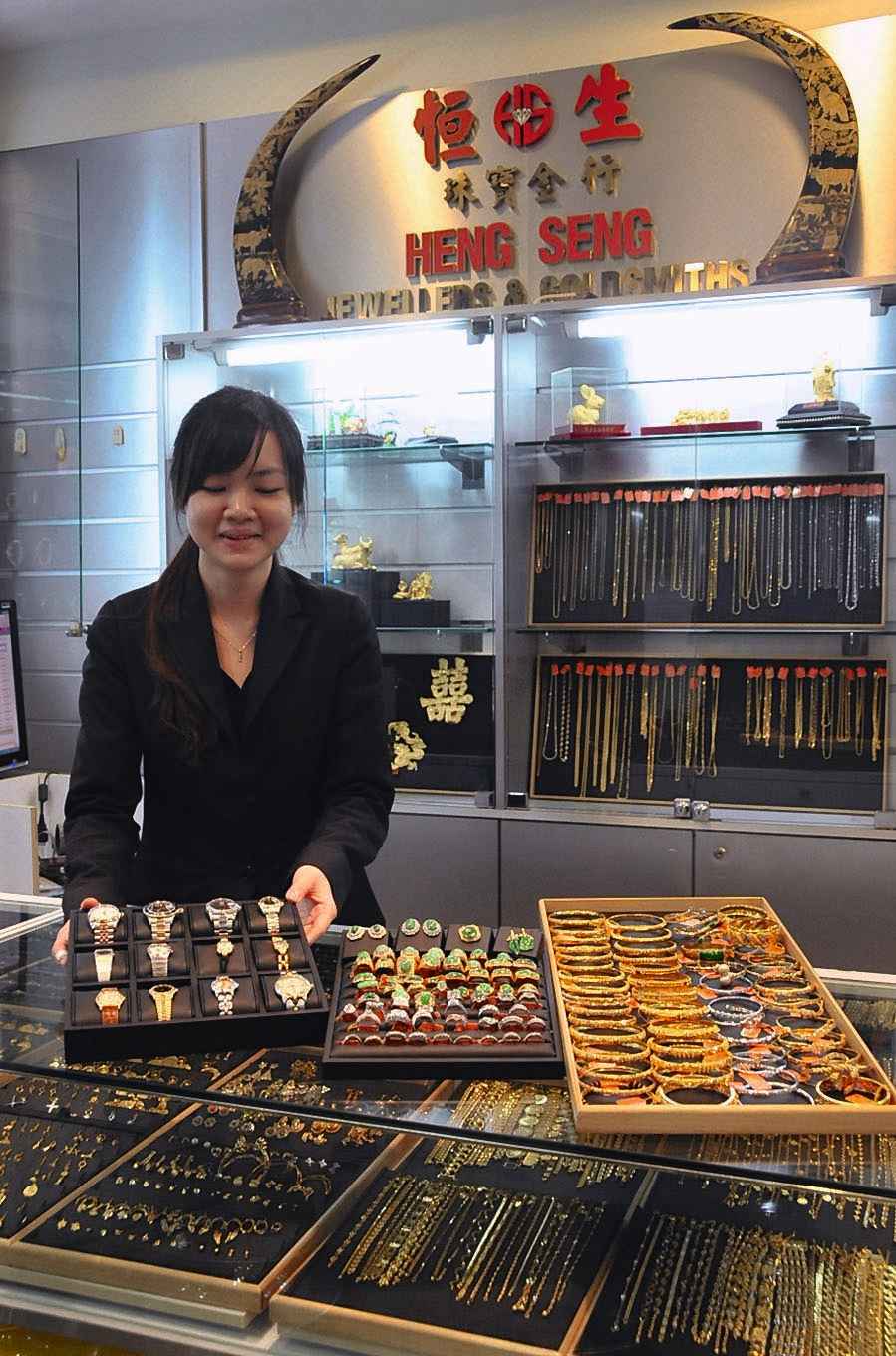
客家人在早期从事的行业,包括了皮料、藤器家具和建筑等职业,基本属于劳工阶级。然而,有一个行业一直由客家人掌控,那就是典当业。根据文献,新加坡首间当铺是在1872年由大埔人蓝秋山开设的“生和当”。本地当店数量从1958年的32间增至2005年的92间。营业额在21世纪初已达到11亿元。新加坡典当业,华人占逾90%,在华人当中,客家人占比逾85%,当中大埔人占四分之三。
中药材业者亦是客家人占多数,这与胡文虎经营的永安堂有关,其虎标良药成功打进东南亚市场,促进了药材店的蓬勃发展。数据显示,在新加坡独立前,客家人的药材店就逾160间。独立后,一度达300间。
20世纪初期,德光岛成了种植树胶的地点,华人大量移入岛内,以来自大埔、嘉应与丰顺的客家人居多,占了华人人数的逾六成。曾经有首反映德光岛生活的客家山歌这么形容:“五更点火割树胶,朝晨八点好食朝(吃早餐),做好胶来十点半,转去顺路捡柴烧。”
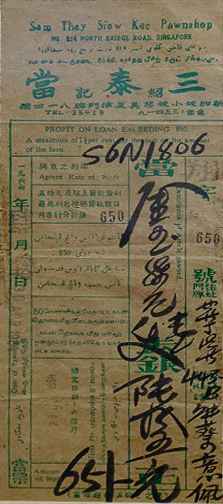
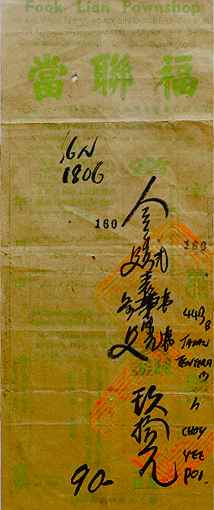
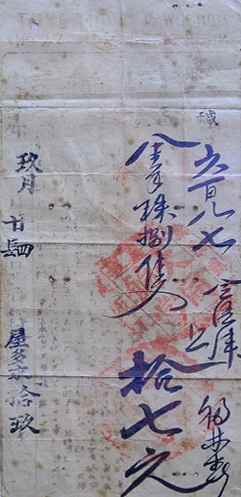
当店、当铺早年的当票。早年包括1970年代流行的当票是直挂式的,当品、银额和当者的名字描述用毛笔蘸墨汁书写,年份日期和当票列号以戳印蘸色墨按盖上去。
从回春馆到回春医社

位于马里士他路的茶阳回春医社,1950年代至70年代。
创立于1858年的新加坡茶阳(大埔)会馆,于1890年创设回春馆中医部,服务同乡。回春馆于1894年迁到美芝路,后因不敷使用,在1919年经董事部商议后,购置马里士他路363号大楼,同年迁入,易名为“茶阳回春医社”。
医社历经日本战火摧毁,二战结束后,董事部于1953年发动募捐,让医社重新启动。之后医社在1980年代重建,并在1989年顺利完成全新的五层楼医院。1980年代末的新加坡医疗水平已经相当之高,而会馆领导认为医社已完成对同乡的阶段性任务,未来必须转型。经多次特别董事会议与会员大会议决,将医社新大楼租给大埔籍的陈开楠医师,以便发展为综合治疗医院。
应新学校:本地最早的新式学校

由应和会馆成立的应新学校(应新学堂),1950年。
清朝末年,中国的维新派与革命党,为了寻求海外资助,纷纷出洋至东南亚或美国。维新派与革命党人士为东南亚带来了新思想与新的教育制度。随着新观念与新式教育传入,私塾教育走入历史。应和会馆于1905年5月5日,创办应新学堂(后名为应新学校),是新加坡最早的新式学校之一,学校经费不敷之数,全由应和会馆的董监事捐助。
学校最初设在陆佑街(Loke Yew Street),因交通不便,同年8月21日迁至直落亚逸街(Telok Ayer Street,俗称源顺街)的应和会馆。1960年代初,教育政策改变,导致生源从减少到后来的枯竭,最终在1970年停办。
茶阳(大埔)会馆则是在1906年创办了启发学校,开办之初学生有60多人。1911年,会馆为解决校舍与设备不足的问题,议决将会馆增建三楼,作为校舍。为迎合国家的发展,启发学校面临跟应新学校同样的命运。1985年停办,由教育部在西海岸路50号另建新校舍,新学校保留“启发”旧名,以感谢茶阳(大埔)会馆给予的10万元捐款。
资料来源:新加坡华族文化百科,《新加坡客家人的传统行业》(利亮时)、《新加坡客家人的公共慈善事业》(利亮时)、《新加坡客家人的学校》(利亮时)
你可知?
新加坡有客家土楼吗?
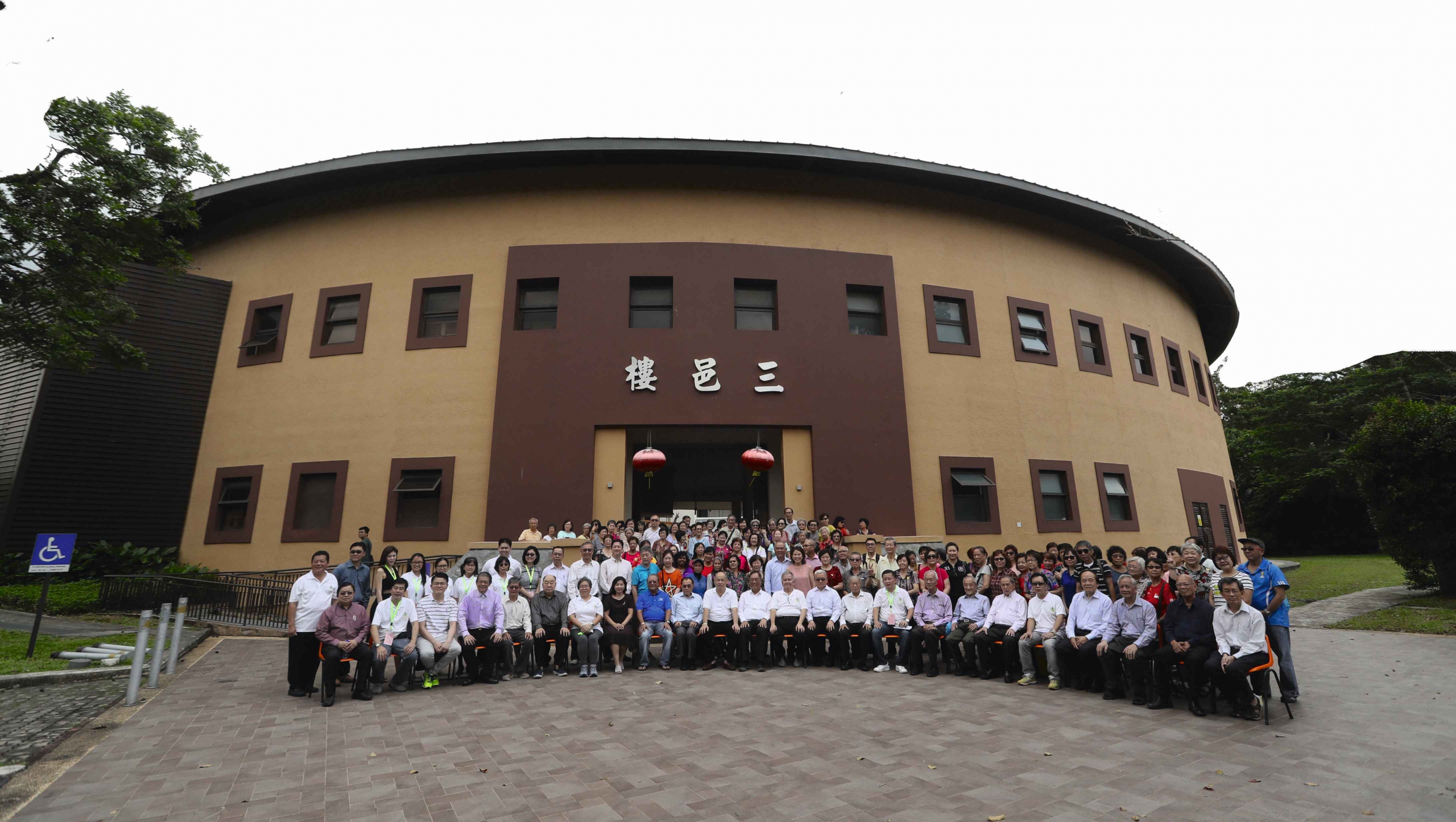
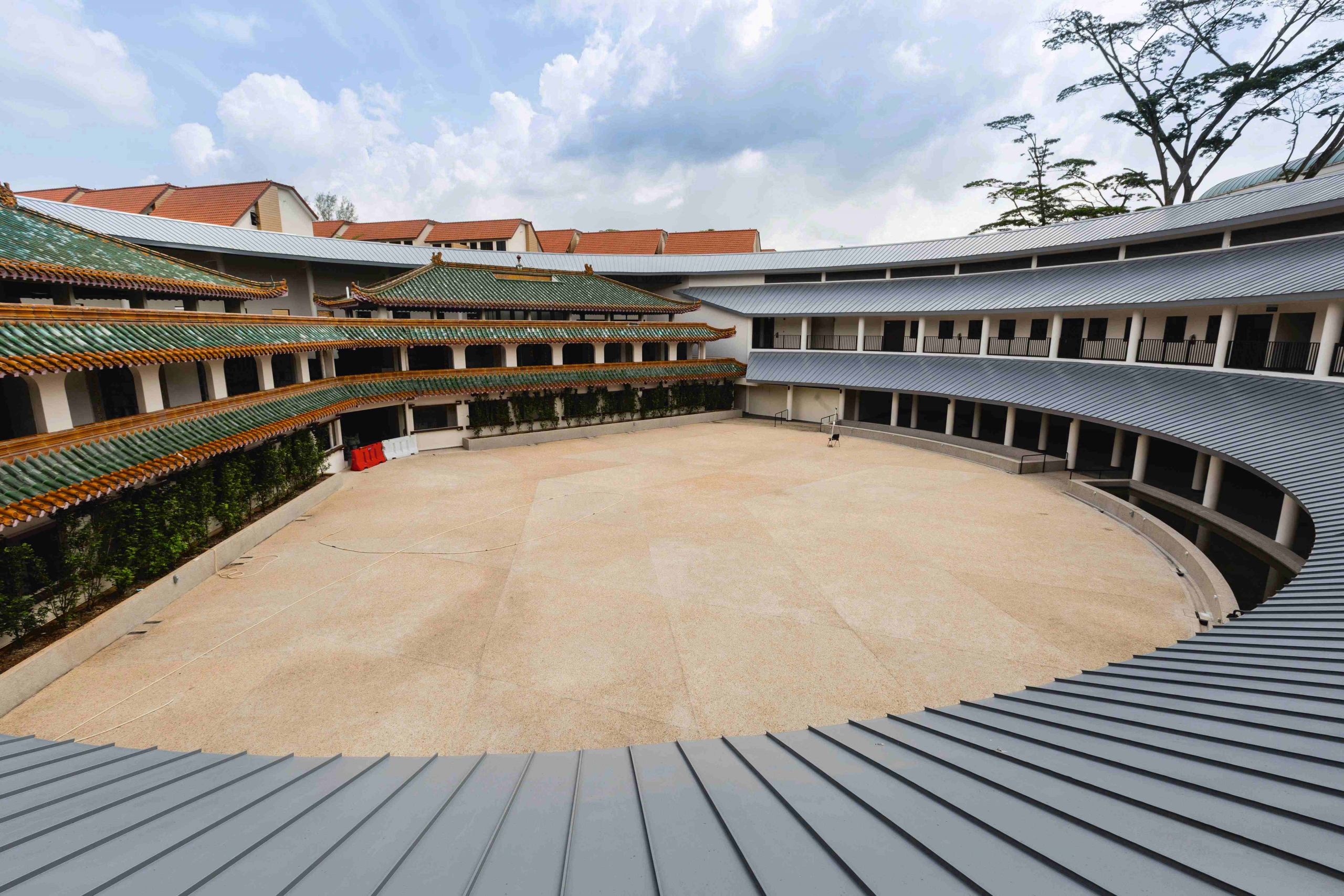
丰永大公会耗资约1500万元兴建的“三邑楼”,是本地唯一仿照客家土楼而建的圆楼。它位于荷兰连路(Holland Link)33号,于2015年正式揭幕。
本地最后一个客家坟场在哪里?
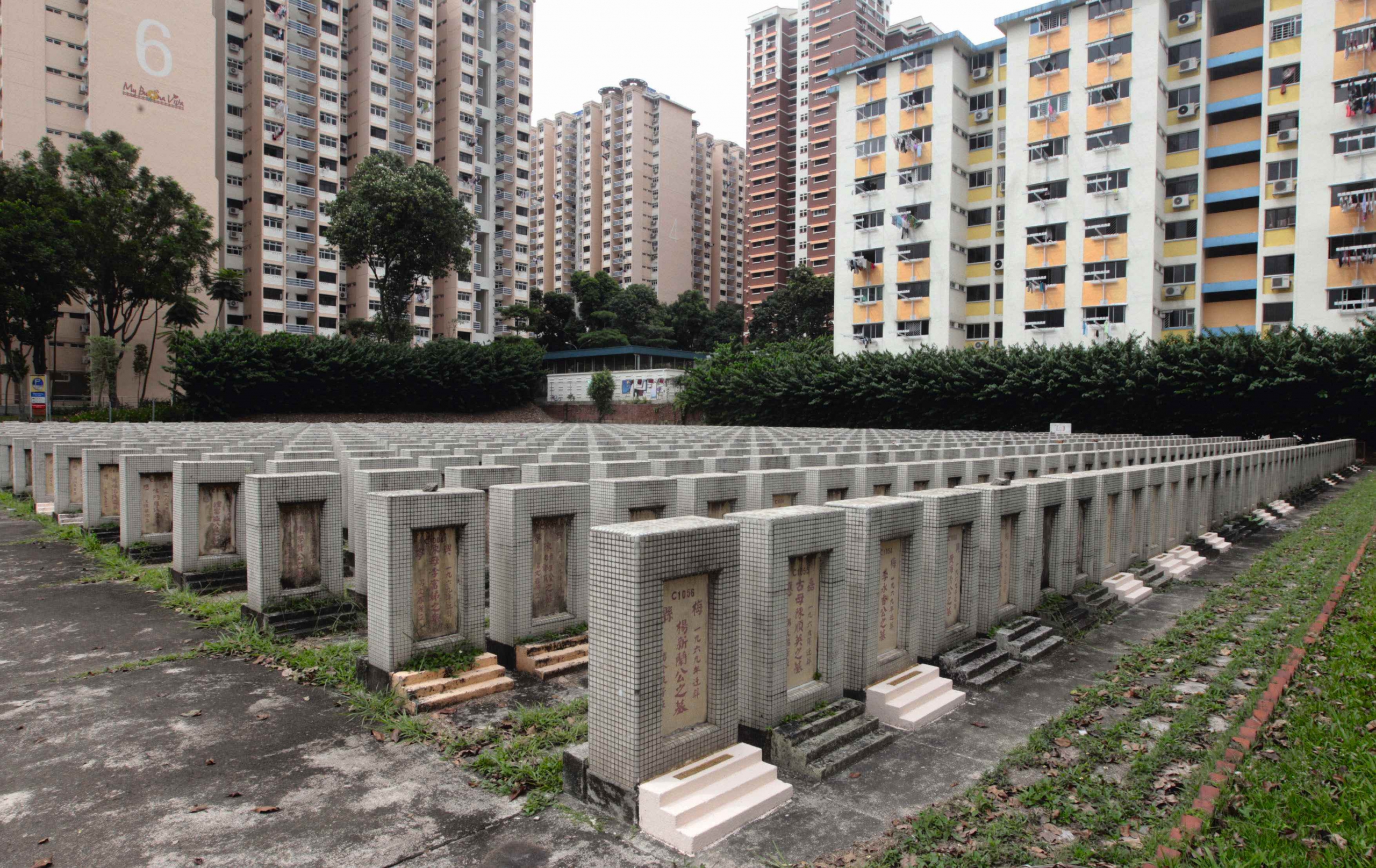
应和会馆于1887年在荷兰路购地辟为坟山。此处前后两山,状似卧龙,取名双龙山。1960年代,政府征用双龙山发展组屋,其中位于荷兰弄的地段获保留重造一座新客家坟场。
客家人与大伯公有什么渊源?
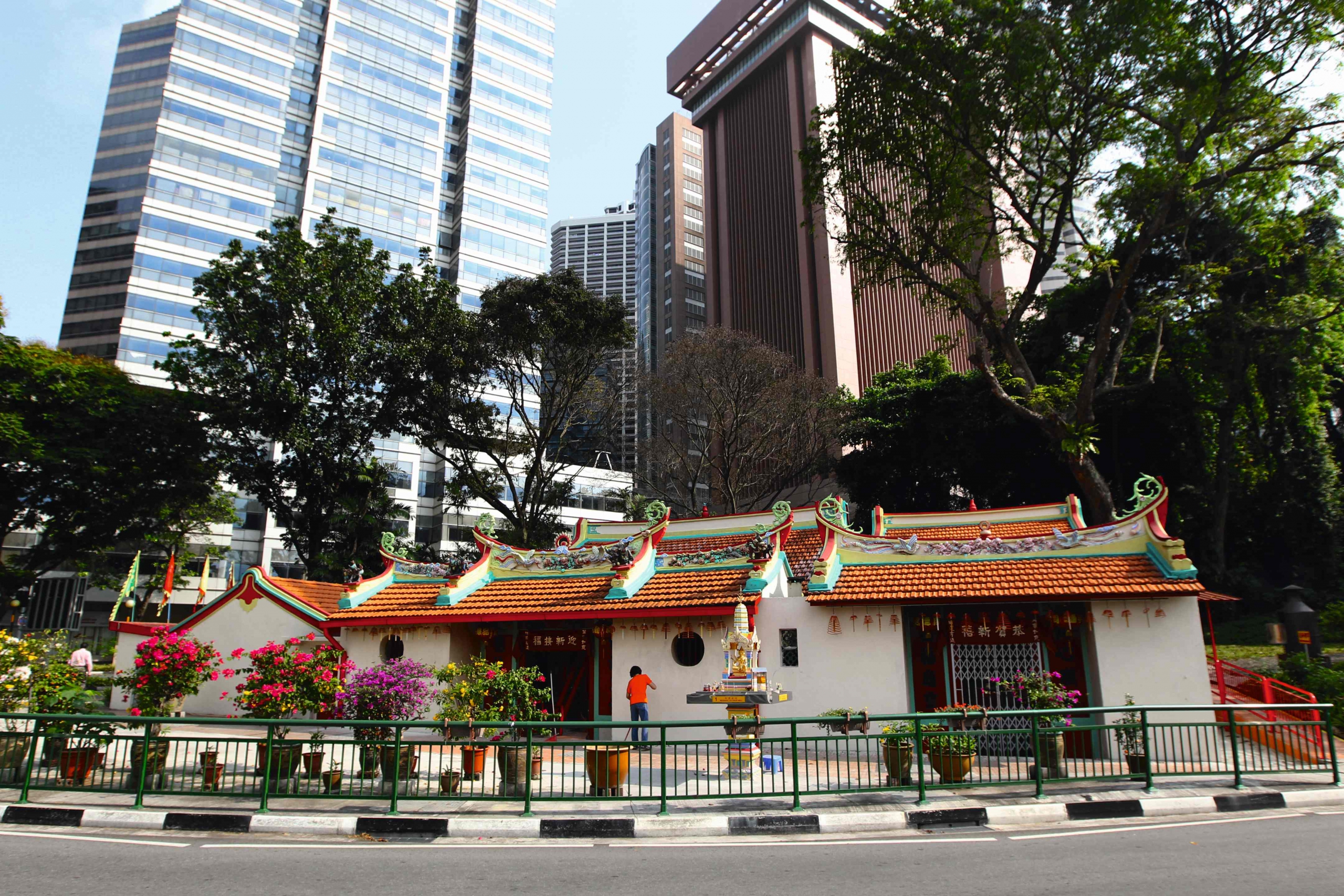
住在山区、内陆的客家人习惯祈求神明的护佑和五谷丰收。由于客家人称长辈为“大伯公”,为了拉近与神祗的关系,以“大伯公”称呼。大伯公是一个地方的土地神,由一位神明或被神化的人所持的职位。客家人南下东南亚,大伯公信仰也随之而来,成为客家人的保护神。其中就有百年古庙望海大伯公庙。
资料来源:新加坡华族文化百科、《联合早报》

扫描二维码浏览更多精彩内容
Five In One Series:
Hakka Singaporeans
Hakka migrants were already in Singapore by the time the British arrived in 1819, and two Hakka clan associations had been set up by 1822. Today, there are about 200,000 Hakka Singaporeans. Since the 19th century, they have made up about five to eight per cent of the local Chinese population.
Translation: Hong Xinyi
Plying their trades
Early Hakka migrants crafted leather objects and rattan furniture, and also worked in construction.
Starting with the first pawnshop in Singapore, opened in 1872, they grew to dominate pawnbroking. Today, Chinese Singaporeans run over 90 per cent of the pawnshops here. Of these, more than 85 per cent are run by Hakkas.
When Hakka entrepreneur Aw Boon Haw’s Tiger Balm became a hit in Southeast Asia, it fuelled the growth of Chinese medical halls. At one point after Singapore’s independence, there were as many as 300 such establishments here run by Hakkas.
In the early 20th century, when Pulau Tekong became a site for rubber plantations, the offshore island saw a large influx of Chinese moving there to work on the plantations. Hakkas from the Dabu, Jiaying, and Fengshun counties in China made up more than 60 per cent of these workers.
Evolving healthcare
The Char Yong (Dabu) Association launched the Fei Choon Kwan clinic in 1890 to serve migrants from Dabu. In 1919, the clinic moved from Beach Road to Balestier Road and changed its name to Char Yong Fei Choon Hospital. In 1989, a new five-storey complex was completed for the hospital. But by then, healthcare standards in Singapore had improved, and the leaders of the Char Yong (Dabu) Association saw the need for the hospital to evolve with the times. The new complex was thus leased to Dr Chin Koy Nam, a general practitioner of Dabu descent, who developed it into an integrated medical centre.
Pioneering schools
The reformists and revolutionaries of China’s late Qing dynasty brought new ideas about education to Southeast Asia when they travelled to the region to raise funds. In 1905, the Ying Fo Fui Kun clan association set up Yin Sin School, one of the earliest schools in Singapore to adopt Western-style pedagogy. The school moved from Loke Yew Street to the premises of Ying Fo Fui Kun at Telok Ayer Street later that year for easier access. In the 1960s, changes in government education policies led to declining student enrolment. By 1970, Yin Sin School had closed.
In 1906, Char Yong (Dabu) Association established Khee Fatt School, which had just over 60 students enrolled when it opened. It met the same fate as Yin Sin School, ceasing operations in 1985. When the Ministry of Education built a new school in West Coast Road, it was named Qifa Primary School in appreciation of a $100,000 donation from the Char Yong (Dabu) Clan Association.
Did you know?
- The only building in Singapore designed in the style of the traditional Hakka roundhouse stands at 33 Holland Link. Its construction was funded by the Fong Yun Thai Association and it was completed in 2015.
- A Holland Road site used to house the Hakka cemetery Shuang Long Shan (the mountain of two dragons). In the 1960s, a portion of this site was reserved for a new Hakka cemetery when the rest was requisitioned for the building of public housing estates.
- The Hakka people called the Earth Deity “Tua Pek Kong” or granduncle, the same term they used to address their male elders. The Hock Teck See temple (also known as the Sea-facing Tua Pek Kong Temple) is believed to have been established by Hakka migrants in the 19th century.
Scan this QR code to read more on Culturepaedia