
推陈出新的新加坡客家菜
老店谢幕,新派崛起,本地客家味因地制宜
文│陈爱薇 图│新报业媒体、商家提供
19世纪中叶,大批客家人南迁新加坡落地生根。坚守43年的“梅村”于2025年结束实体店营业,与此同时,源自中国的“客语”与新移民陈奕妏创立的“客家帮”两家餐馆悄然冒起,不再局限于早期客家先辈的祖籍地传统菜式,而是放眼更广阔的地域性风味格局——新派菜单与本地食客熟悉的客家味道,到底有何不同?
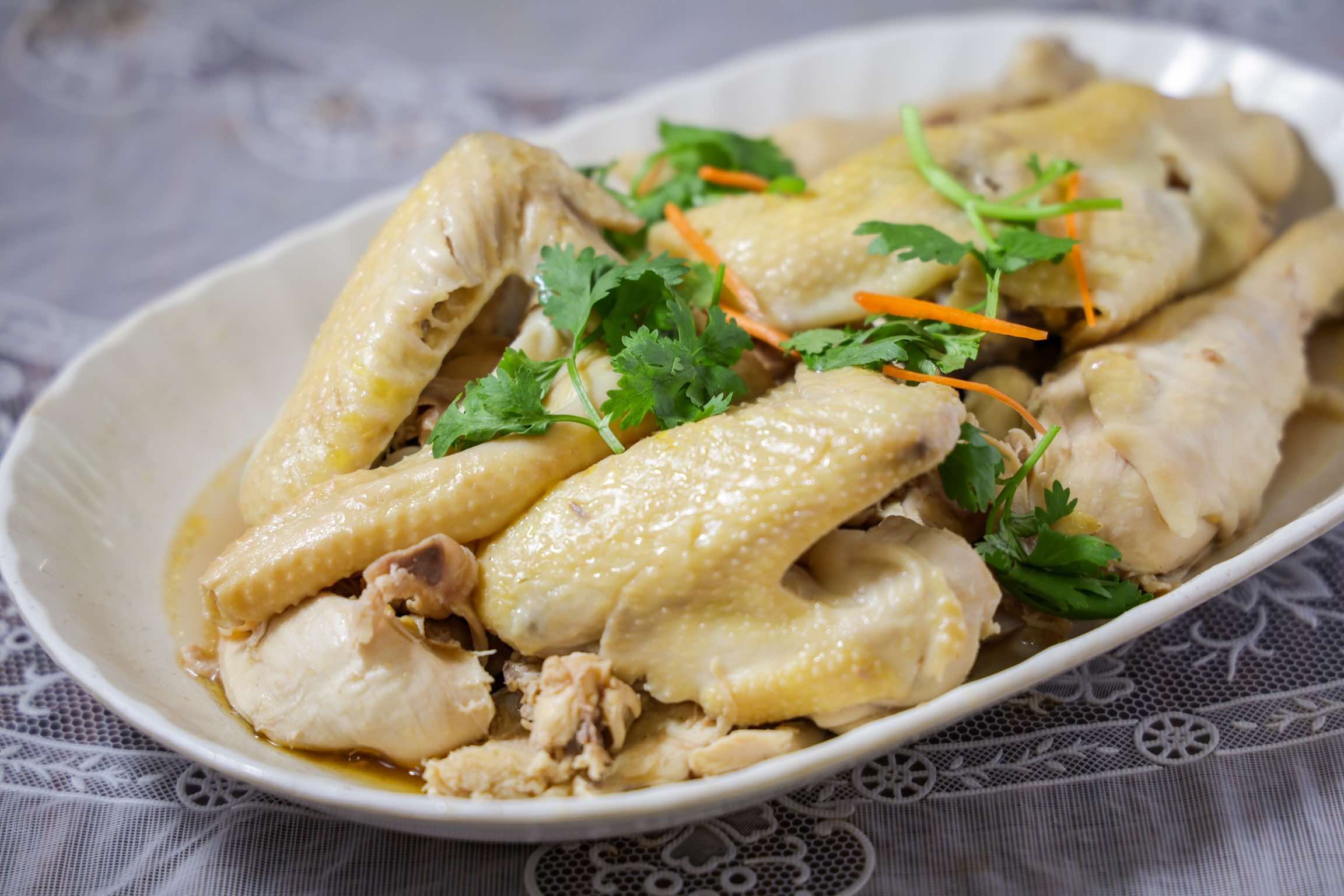
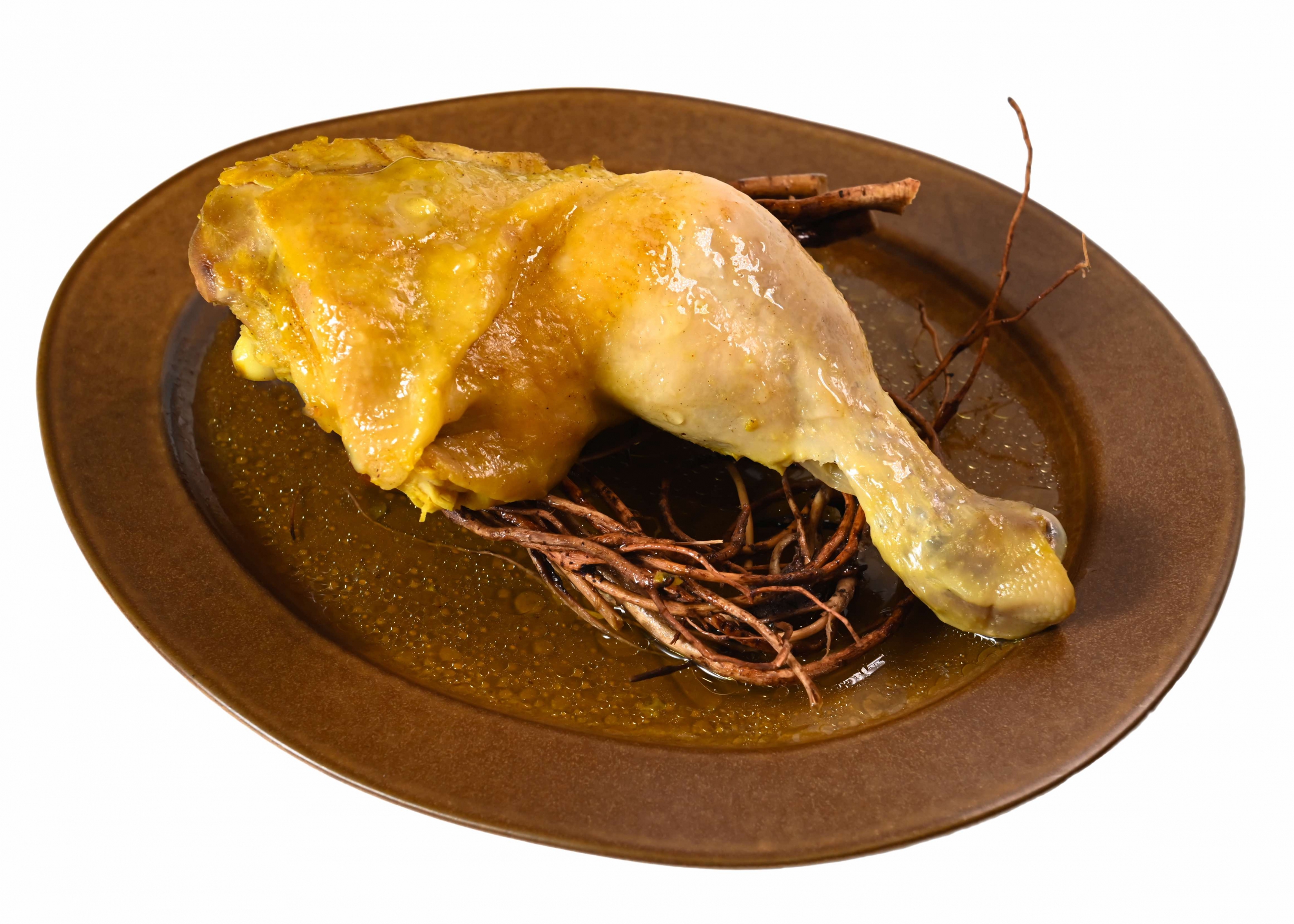
客家盐焗鸡
“客语”2024年底在星耀樟宜开设首店。招牌古法手撕盐焗鸡选用优质走地鸡,以澳大利亚粗盐焗50分钟,出炉后以最快速度去骨手撕,没有配蘸酱,品尝原汁原味。
这可算是保留传统做法,只是咸度减低。本地早期盐焗鸡做法雷同,以大锅炒至海盐无水分,鸡只以“绿豆纸”包裹后放在中间煨熟。后来人们用药酒腌鸡,或是加入药材一起焗,让味道更丰富和滋补。
“客家帮”并没有推出盐鸡,而是改以五指毛桃蒸鸡腿登场。五指毛桃在广东梅州和福建山区广泛生长,也方便采集。民间相信它有助于补气血、健脾胃、润肺、助消化,客家人常用它入药或入菜。
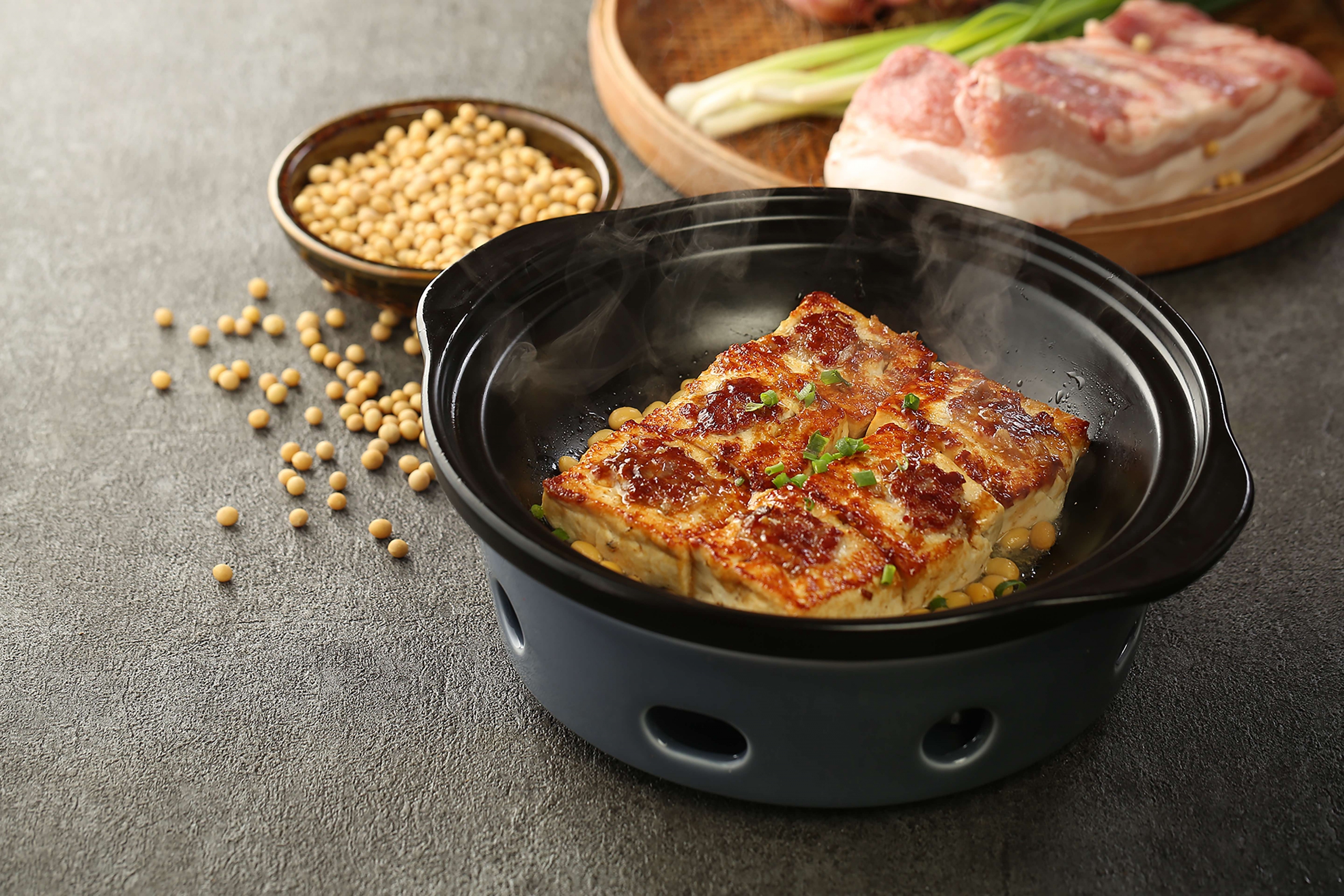
酿豆腐
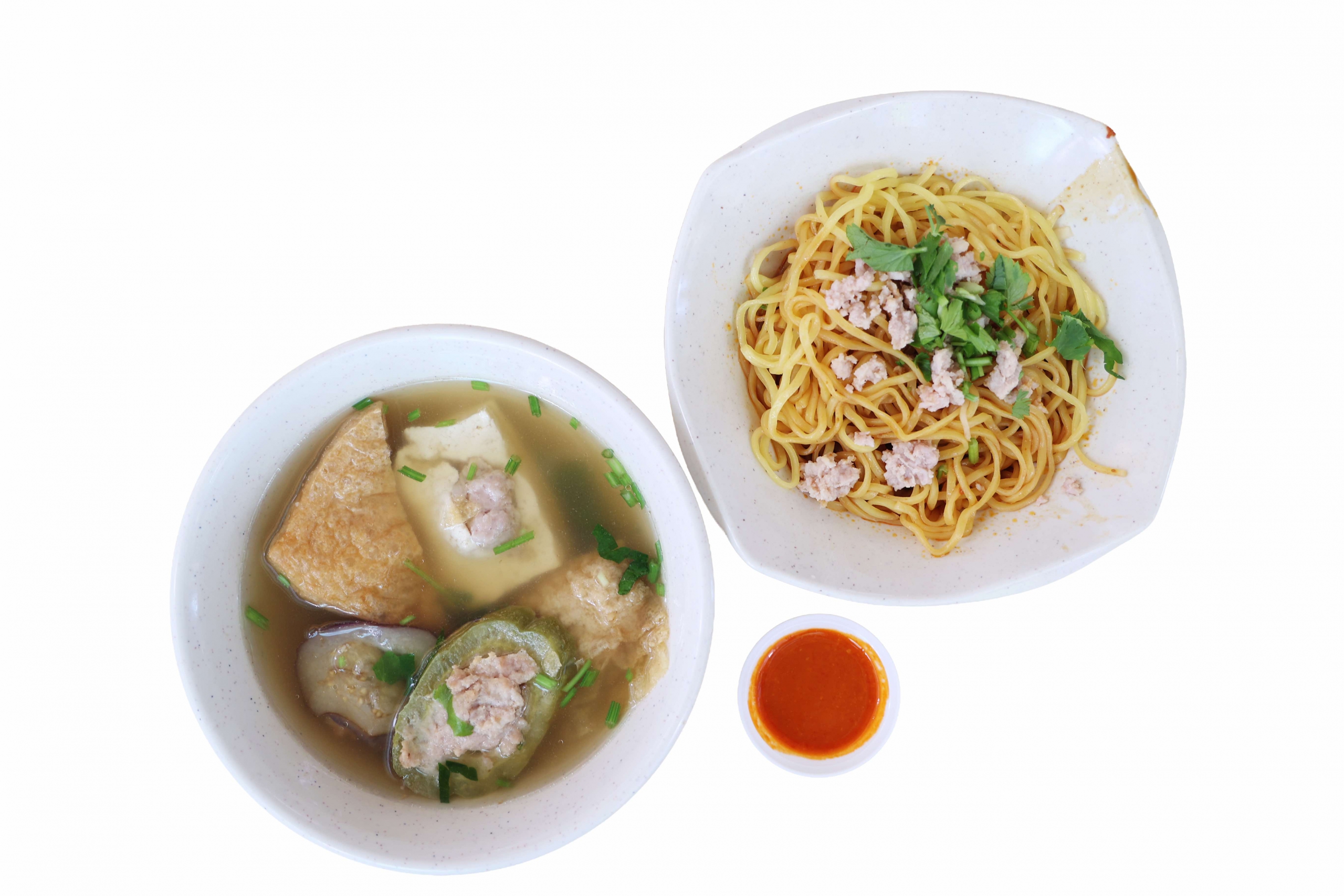
“客语”的酿豆腐只有一味,那就是自制豆腐,以小火煎至表层酥香,再焖至收汁。这是在中国客家地区普遍吃法,馅料是手剁猪肉馅加入鱼肉。本地酿豆腐不仅配料多样化,还可选择汤食或干捞。“客家帮”融合本地风味,推出的套餐有茄子、腐竹、豆腐、豆卜、香菇和菜卷等,酿馅结合猪肉和鱼肉。店家不用黄豆熬汤,改成关东煮汤底,让整道酿豆腐显得更清淡健康。
酿豆腐在本地小贩中心、咖啡店和食阁都能尝到。早年好些客家人在馅料内加入咸鱼,如今已很少见。“小彭酿豆腐”的酿馅改以扁鱼粉和虾米取代咸鱼,每碗汤里还有几块白萝卜,清甜解腻。
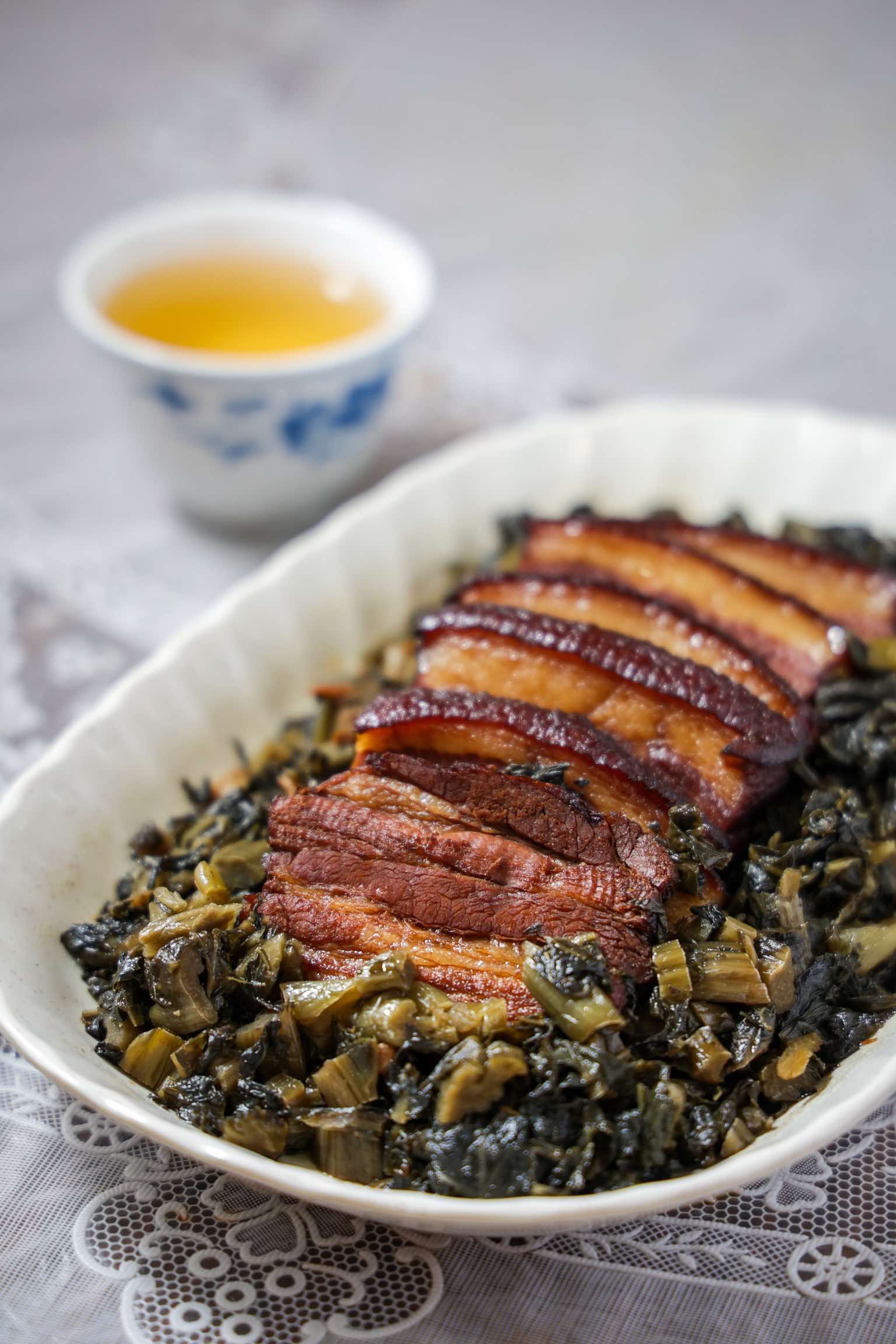
梅菜扣肉
梅菜扣肉充分体现“咸、肥、香”的客家菜本色。本地的客家版本多混合已是半制成品的咸和甜两种梅菜。另一个常见的广东式则偏甜,加入蚝油和黑酱油,味道比较圆润。
在中国的客家人常使用芥菜腌制、晾晒和发酵的梅菜干,没有特别调味,带有自然酸香。“客语”就有这么一道“客家菜干扣肉”。“客家帮”的双色梅菜肉丁,以小块三层肉取代传统一大片扣肉,让这道菜吃起来比较没有负担,新生代也能接受。
擂茶
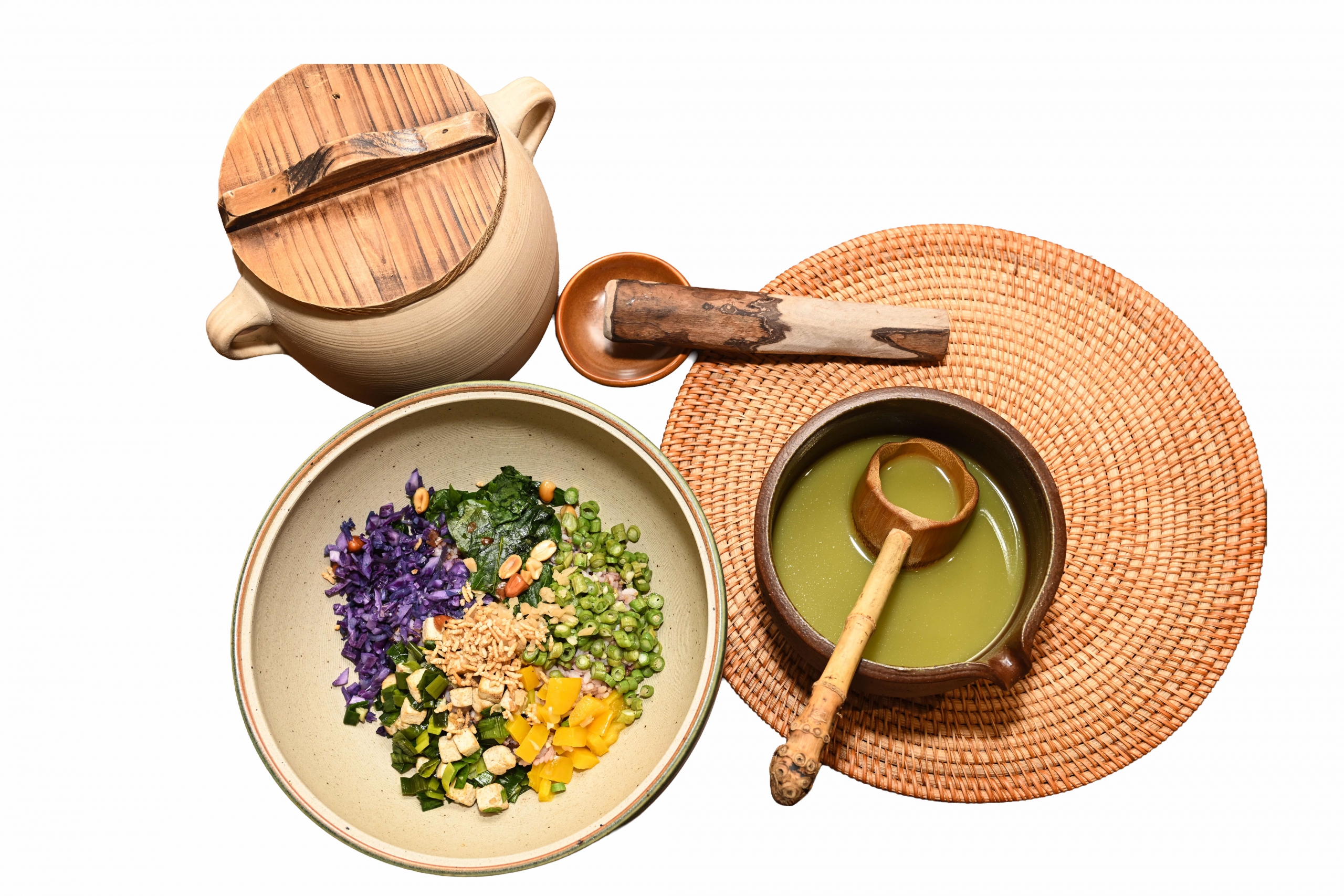
擂茶是传承千年的客家传统饮食文化,用陶制擂钵和木制擂棍(多为番石榴木、油茶树等硬木)将茶叶、芝麻、花生等研磨成糊,再以热水冲泡成汤,广泛流传于梅州、惠州、揭西等客家人聚集地区。在新加坡,并非所有客家家庭都食用擂茶,以源自揭西县河堡镇的客家人最为熟悉;因本地食材有限且配合大众口味,擂茶减少了苦刺心、九层塔和薄荷叶的比例,茶汤更为温和。
随着健康意识提高,本地擂茶经营者增加。玛格烈通道小贩中心“客家佬擂茶”、大巴窑1巷小贩中心“家乡味擂茶”、裕廊西第505座小贩中心“河婆客家擂茶”等走传统路线。ABC砖厂小贩中心“擂茶”、红山景小贩中心“客家擂婆婆”和牛车水“荧火虫”等,则是清新派。
“客家帮”的七彩25种谷米擂茶饭让人眼前一亮。25种谷米按比例调配,还有绿色马尼菜、黄色灯笼椒和紫色包菜,并保留具客家特色的青蒜炒豆干。
算盘子
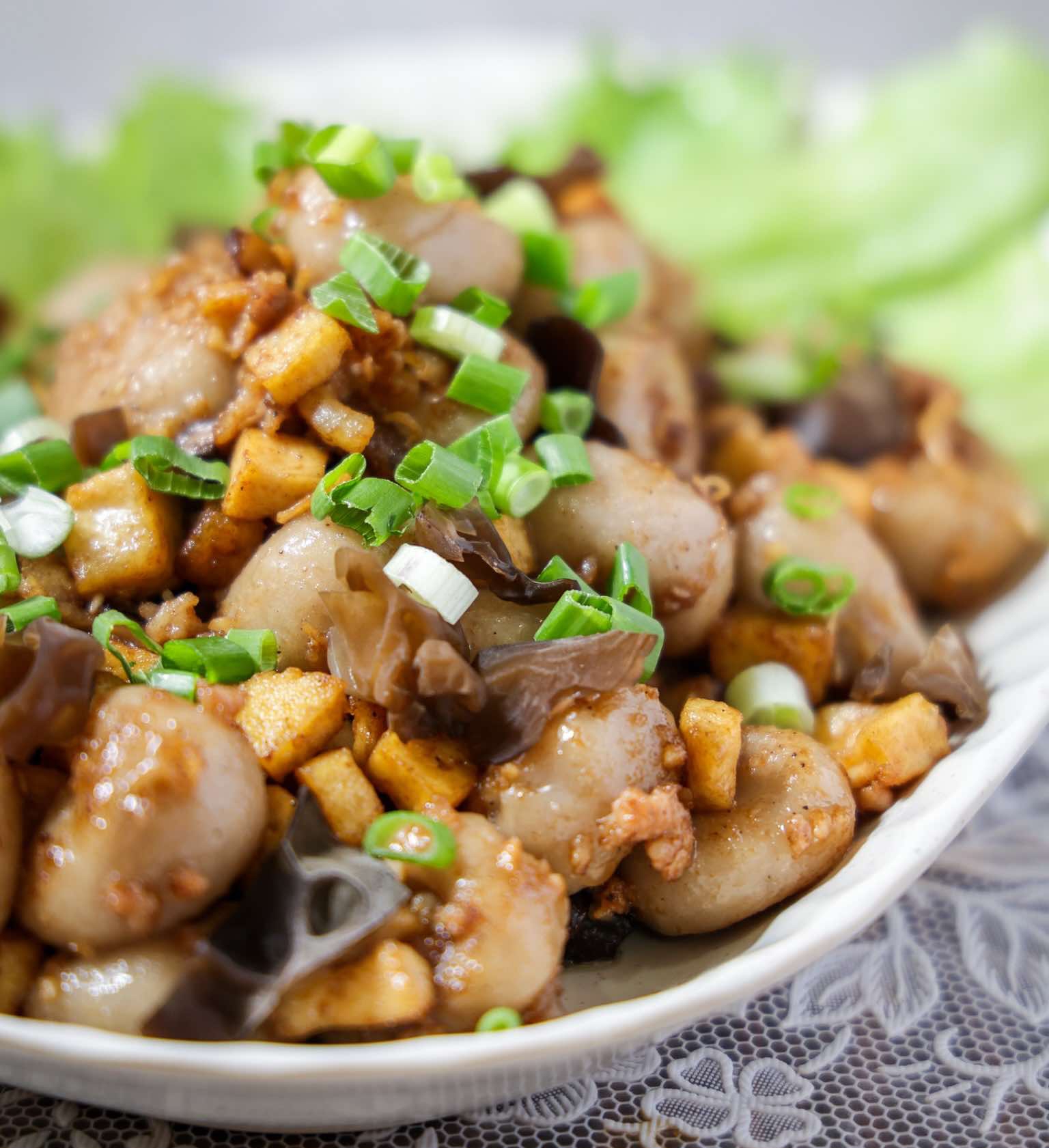
算盘子是客家大埔人的应节食品。这道传统料理工序繁琐:芋头去皮蒸熟捣泥后,与木薯粉混合揉搓成团,再用手工压制成两面微凹的算盘珠形状;接着以沸水煮熟再过凉水,然后下锅与配料一起炒香。配料包括红葱头、蒜末、香菇丝、猪肉丁、虾米、豆干、黑木耳丝等。
本地要买到好吃算盘子不容易,顺福小贩中心的“美珍客家菜”及开在多个食阁的“小彭酿豆腐”仍有供应。“客家帮”和“客语”也有卖,但配料相对简化。
Something Old, Something New
With the entry of Chinese chains like Hakka Yu and restaurants run by new immigrants like Chen Yiwen (owner of Hakka Bond), the Hakka food scene in Singapore is growing in diversity.
Translation: Hong Xinyi
Sometimes, Hakka dishes from China and Singapore are remarkably similar. A traditional Singaporean way of making salt-baked chicken wraps the chicken in paper before burying it in salt to cook. Hakka Yu’s salt-baked chicken doesn’t stray far from this method.
Over at Hakka Bond, however, local diners can get a taste of a more Chinese-centric chicken dish, which features the hairy fig. This ingredient is widely found in Guangdong’s Meizhou and the mountainous regions of Fujian, and is often used in China’s Hakka cuisine. Read on for more examples of how local and Chinese versions of Hakka dishes are giving diners here more variety and even giving rise to new hybrids.
Yong tau foo
Locally, this refers to a variety of tofu and other ingredients (such as vegetables and mushrooms) that are stuffed with a paste (usually comprising pork, fish, or a mix of both). In the past, salted fish was often part of the filling, but this is less common now. Diners can opt for their final selection of items to be served in a soup, or dressed with a sauce. In China, however, yong tau foo typically refers to stuffed tofu that is pan-fried and braised. Some versions, like the one at Hakka Bond, have retained the variety of local yong tau foo while offering a more refreshing soup.
Braised pork belly with preserved mustard greens
Exemplifying the savoury, unctuous, and aromatic qualities of Hakka cuisine, the local version of this dish tends to mix salted and sweeter mustard greens, while a Cantonese version offers a more rounded flavour profile with the use of oyster sauce and dark soy sauce. In China, Hakkas typically prepare the dish using the stalks of mustard greens, which are not preserved with any additional flavours so that their natural acidity shines through.
Thunder tea
This dish has an ancient culinary heritage, and was popularised in the Meizhou, Huizhou, and Jiexi areas of China. In Singapore, Hakka families with roots in Jiexi’s Hebao town are more familiar with it. Tea leaves, sesame seeds, and peanuts are pounded into a paste using a ceramic mortar and wooden pestle. This paste forms the base of the thunder tea soup.
Abacus seeds
This signature traditional Hakka dish originates from Dabu county in China. Yam is steamed, mashed, and mixed with tapioca flour to form a dough, which is then shaped by hand into pellets that resemble the beads of an abacus. The pellets are boiled and stir-fried with ingredients such as shallots, garlic, mushrooms, pork, dried shrimp, tau kwa (firm or pressed tofu), and black fungus.