
“五帮共融”系列之广东人—从南来移民到本土扎根
粤语是新加坡华社的第三大方言,在民间与商界颇具影响力。
资料来源│新加坡华族文化百科 图│新报业媒体、国家档案馆提供
 广东话是新加坡华社第三大方言。1881年,操广东话人口占华族17.1%,1931年升至22.5%,1980年为16.5%。 在当时,其他方言群乃至马来、印族同胞也多有通晓广东话者,实际使用人口远超上述比例。
要理解此现象,需先明确新加坡“广东人”的来源。他们主要来自广州府、惠州府、肇庆府,统称“广惠肇”社群。惠州府虽以客家居多,但因取道广州出海,自然融入广府文化圈。另外,随着港澳官方地位与粤语流行文化的传播,广东话在民间与商界影响深远。
自19世纪南来,新加坡广东人在语言、会馆、行业、教育、医疗、文化等方面深耕扎根。他们既保留原乡传统,也在多元社会中开创出属于自己的新加坡故事。
广东人的会馆
19世纪初,广东人开始南来新加坡。1819年,台山人曹亚志跟随莱佛士船队登陆,创办了本地第一个血缘组织——星洲谯国堂曹家馆。三年后,宁阳会馆成立,成为新加坡乃至中国海外第一家会馆。此后,惠州、中山、南顺、冈州、东安、肇庆、番禺、三水等广东地缘性会馆陆续成立,宗亲会馆如刘关张赵古城会馆、广惠肇李氏书室等也相继创立。20世纪中叶全盛时期,本地约有290个广东人的血缘、地缘和业缘性组织,成为早期移民生活上的依靠与精神寄托。
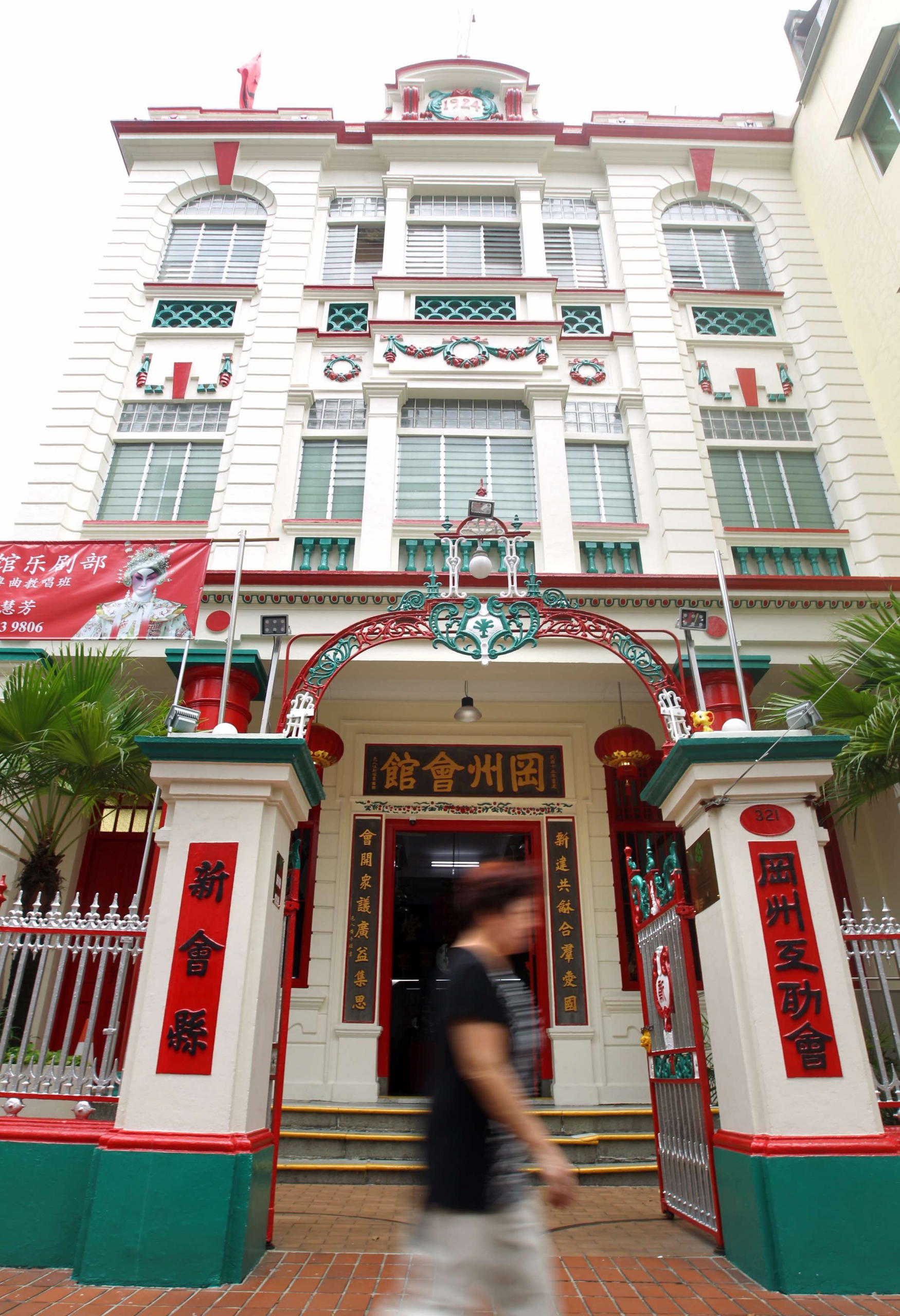
冈州会馆是牛车水地区的地标之一。
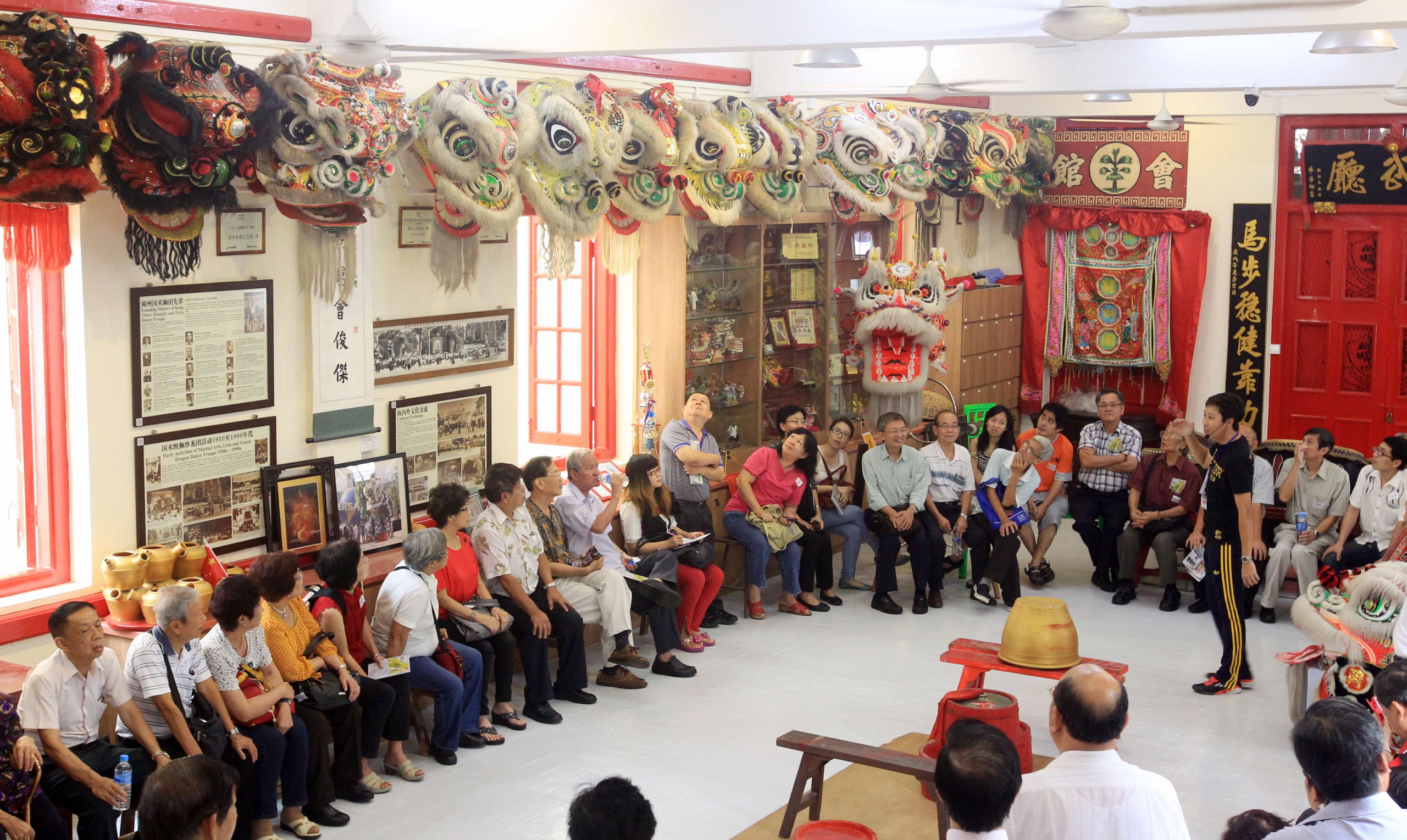
冈州会馆积极扮演文化传承的角色。
广东人的行业版图
早年广东人的传统行业主要集中于七个领域,包括粮油杂货、金银典当、建筑运输、制衣成衣、日常用品、餐饮旅游和中医药业。基本上,除了粮油杂货与建筑运输这两个相对主导的产业外,其余的均属于本地化的个人服务与手工艺行业。
粮油杂货业方面,新会与鹤山商人的角色举足轻重, 将各类“广货”从广东引入新加坡销售。新会商人早年在直落亚逸中街创设“中街七家头”,独占市场。建筑运输业方面,加冷河一带是广东人的聚居地,来自台山的商人梅南乐,以建筑业起家,并曾在此创立了制革厂。加冷河一带曾有“南乐街”*纪念其贡献。
*南乐街得名于广东台山籍商人梅南乐。19世纪,加冷河与梧槽河间地段,吸引众多广东人从事火锯、皮革及修船业。梅南乐在此开设皮革加工厂,他逝世后,为纪念其在商业及公益上的贡献,加冷这条街被命名为南乐街,今天已并入周边街道。

位于加冷的南乐街,如今不复存在。
广东人的医者仁心
在医疗慈善事业上,广东人贡献卓著。1867年,由“中街七家头”创办的同济医社不分籍贯为贫困人士提供义诊,后发展为同济医院,成为跨帮群的民办医疗机构。至今,同济医院还在发挥其无远弗届的影响力。1910年,黄亚福、梁敏修等人筹办广惠肇留医院,这是新加坡近代史上规模宏大、也是几乎整个20世纪唯一让病人住院留医的民办慈善医院。百年来,广惠肇留医院一直都是实龙岗路的地标。医院首创中西医疗技术并用的先例,并为广东籍妇女无偿提供接生服务,门诊则开放给所有籍贯人士。至今,该医院依旧在原址,发展成为社区疗养院,为所有人服务,不分种族。

近160年历史的同济医院,始终秉持其社会使命,至今仍为国人服务。
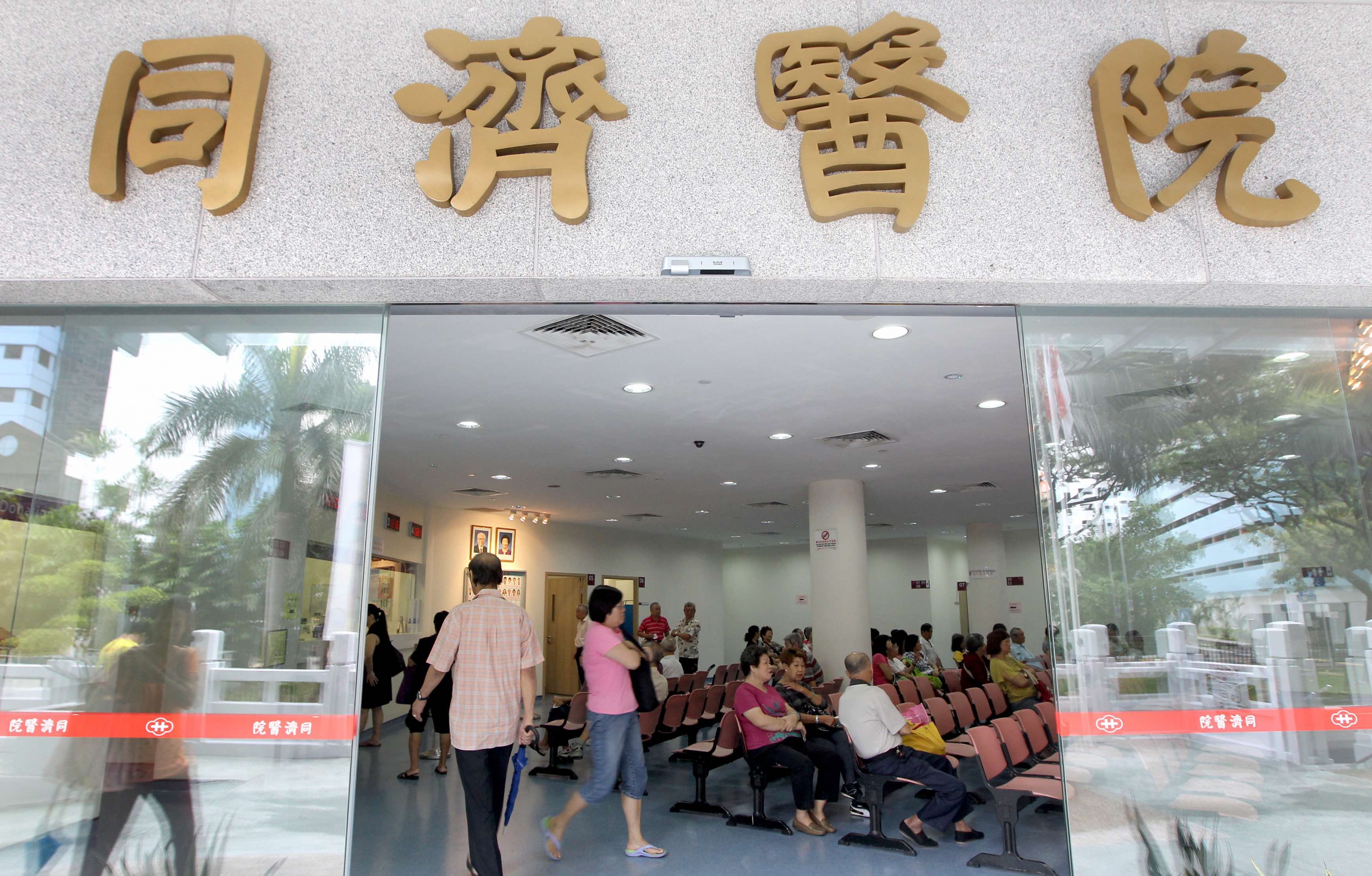
近160年历史的同济医院,始终秉持其社会使命,至今仍为国人服务。
广帮兴学,薪火相传
教育方面,广东社群积极办学。1905年,黄亚福、邱雁宾等27位华商创办了广肇小学,后更名为广惠肇养正学堂,是规模最大的广东人学校,现今为养正小学。南华女校与静方女校则在20世纪初应运而生,推动女性教育。此外,宁阳、东安、冈州、南顺、三水、番禺等会馆也附设义学,广福学校与碧山亭学校则为工人与乡村子弟提供教育机会。至今,养正小学、南华小学与南华中学的学校咨询委员会仍由广帮代表领导。

今年新加坡文Fun节嘉年华,养正小学校友会舞狮俱乐部的一些年长校友做舞狮示范 。
.jpg)
本地知名学校南华小学有百年的历史(照片:南华小学)。
—
你可知?
广东狮的本地传承
广东狮,又称南狮或醒狮,是本地常见的舞狮狮种。1920年,本地第一支南狮队“星洲怡怡堂瑞狮团”成立,后易名为鹤山会馆国术醒狮团,奠定了鹤山狮艺的基础。冈州会馆则将佛山狮与鹤山狮融合,创造出本土化的“佛鹤派”狮艺。舞狮采青已成为华人节庆、文化活动与新张志庆中不可或缺的表演环节。至2024年,本地注册醒狮团超过200支,传承生生不息。
红头巾:新加坡的国家记忆
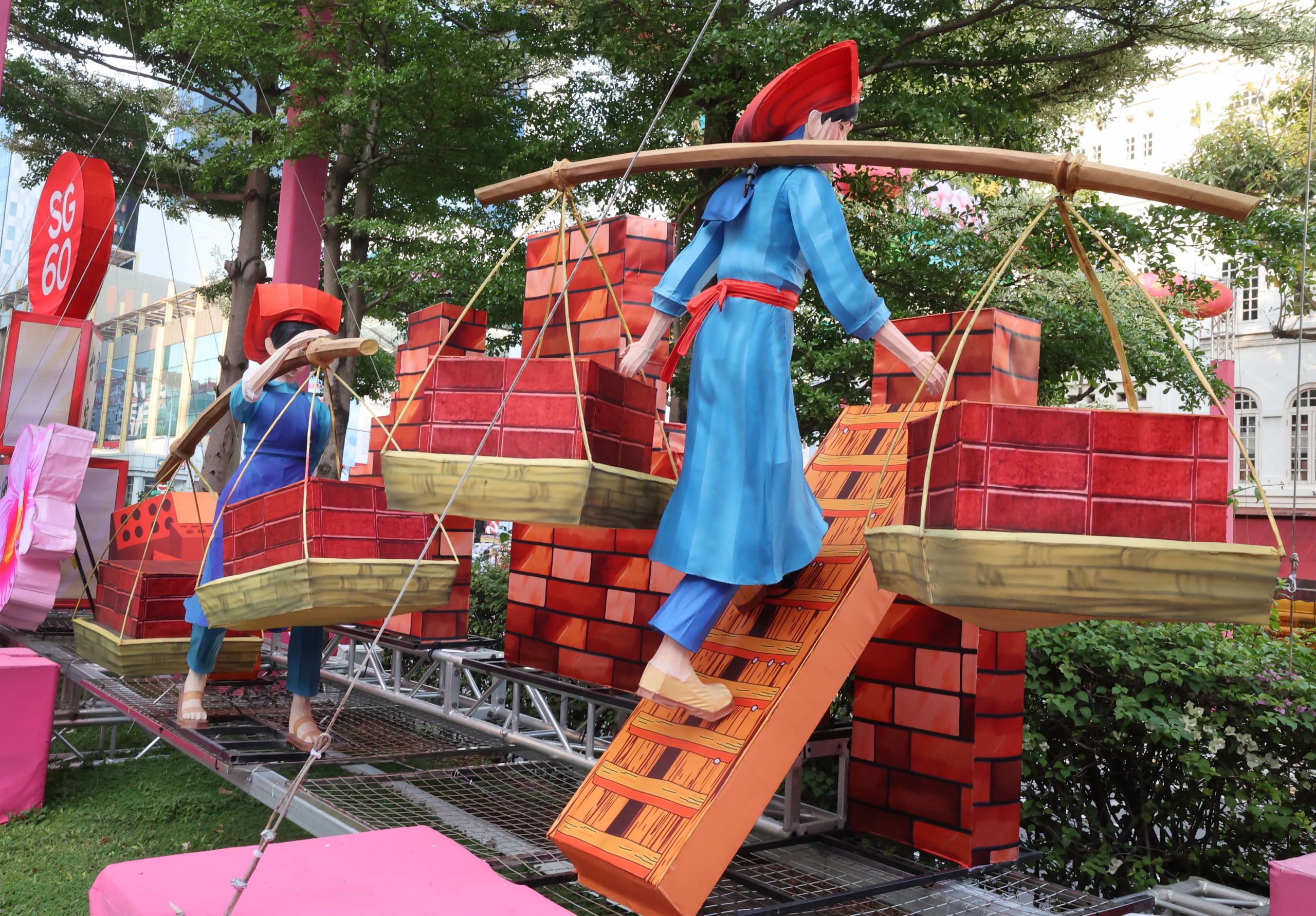
20世纪初, 广东女性的加入,进一步巩固了早期广东人在建筑行业的地位,其中来自三水县的女工在工地干活,俗称“三水婆”或“红头巾”,她们头戴红色头巾,不畏艰辛、刻苦耐劳的精神,已成为新加坡国家记忆与文化认同的重要组成部分。如今,牛车水与加冷一带仍保留着广东先民奋斗的痕迹,相关历史也被纳入国家文物局的遗产推广中,持续传承。
近160年历史的同济医院,始终秉持其社会使命,至今仍为国人服务。
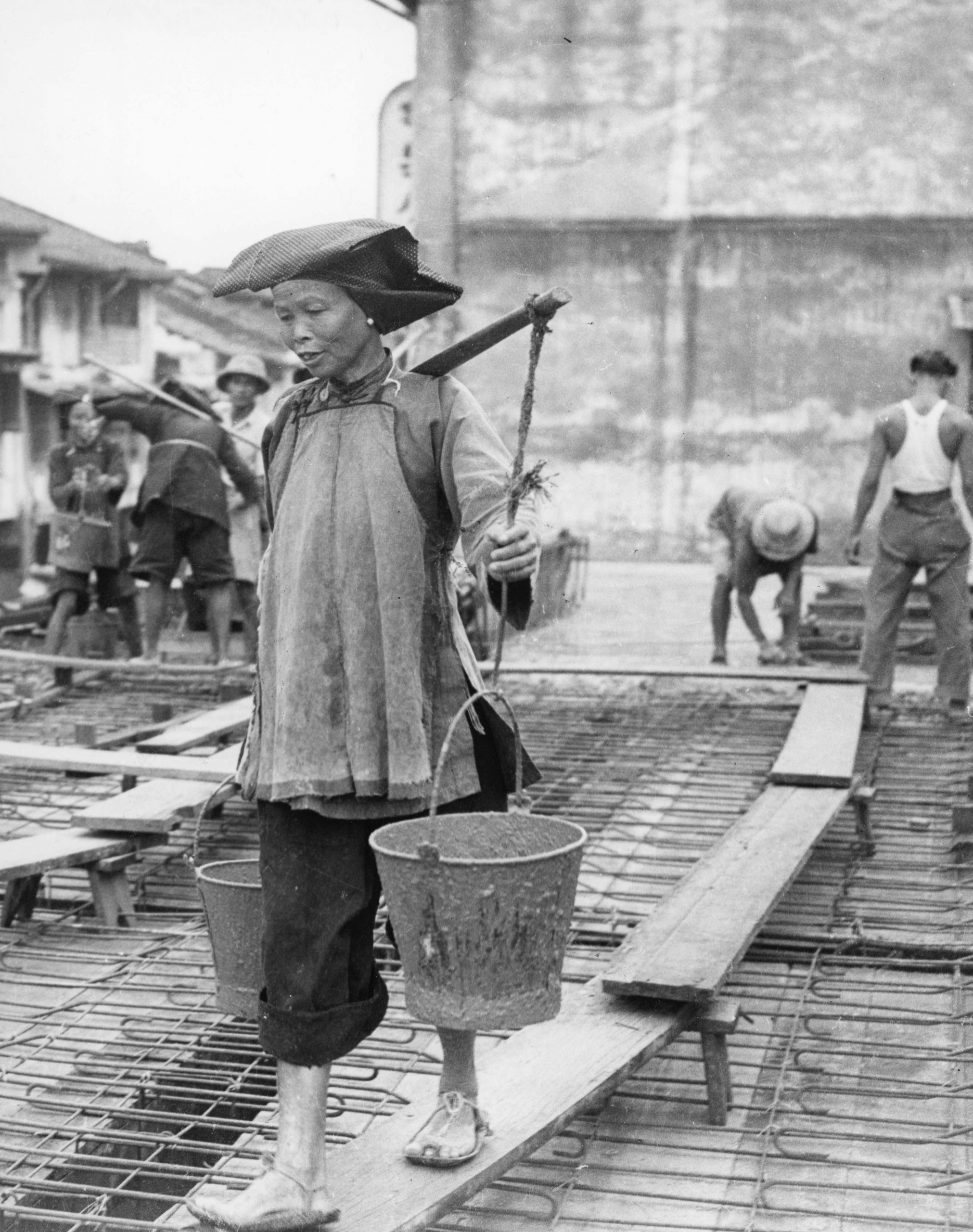
红头巾已经成为国家记忆以及文化认同的一部分。
—
扫描二维码浏览更多精彩内容

扫描二维码浏览更多精彩内容
资料来源:新加坡华族文化百科、《联合早报》
Five In One Series: Cantonese Singaporeans
Early immigrants from Guangdong left their mark on Singapore’s neighbourhoods and culture.
Translation: Hong Xinyi
The Cantonese dialect
Cantonese is the third most commonly spoken dialect among Singapore’s Chinese community. It was not just the language of the immigrants from Guangdong province who arrived here in the 19th century, but was also spoken by members of other Chinese dialect groups, as well as from some in the Malay and Indian communities. One of the reasons for this was the popularity of Cantonese movies and music in Southeast Asia.
Cantonese clan associations
Singapore’s first kinship-based organisation was the Sing Chow Chiu Kwok Thong Cho Kah Koon. It was founded in 1819 by Chow Ah Chey, who was from Taishan and had arrived here with the Raffles expedition. Three years later, Ning Yeung Wui Kuan was established, becoming Singapore’s first Chinese clan association and the first such organisation set up outside China. Subsequent associations were based on kinship ties and places of origin. In the mid-20th century, there were about 290 Cantonese clan associations in Singapore.
Traditional trades
Early Cantonese immigrants mostly worked in grocery retail, gold and silver pawnbroking, construction and transport, garment manufacturing, daily necessities retail, food and beverage, tourism, and traditional Chinese medicine. Grocery retail was dominated by merchants from Xinhui and Heshan, who imported products from Guangdong to Singapore. These became known as guanghuo (Guangdong goods). For Cantonese immigrants working in construction, the Kallang River area was their enclave.
Healthcare efforts
In 1867, Cantonese merchants set up Thong Chai Yee Say to provide free medical consultations to the needy. This was the origin of today’s Thong Chai Medical Institution. In 1910, Cantonese businessmen founded Kwong Wai Shiu Free Hospital, the only large-scale community-led charity hospital in 20th-century Singapore that allowed patients to be hospitalised. It set the local precedent of integrating Chinese and Western medical techniques, and provided free childbirth services to pregnant women of Cantonese origin, as well as outpatient services for all. Today, Kwong Wai Shiu is a community care hospital that remains a Serangoon Road landmark.
Supporting education
Founded in 1905, Kwong Shiu School (now Yangzheng Primary School) was the first and largest school set up by the Cantonese. In the early 20th century, Nan Hwa Girls’ School and Cheng Fong Girls’ School were established to support education for girls. Various Cantonese organisations, such as clan associations, also set up schools like Kwong Fook School and Kwong Wai Shiu Peck Shan Ting School, which educated the children of workers and rural residents respectively. Today, schools such as Yangzheng Primary School, Nan Hua Primary School, and Nan Hua High School continue to have Cantonese leadership on their advisory committees.
Did you know?
- Singapore’s early Guangdong immigrants were mostly from the prefectures of Guangzhou, Huizhou, and Zhaoqing. They were collectively known as the Kwong Wai Shiu community (a reference to the first characters in the Cantonese pronunciations of these prefectures).
- The lion dance troupe of Kong Chow Wui Koon combined Foshan and Heshan lion dance movements, creating the localised Fo He lion dance.
- In the early 20th century, female immigrants from Guangdong included those from Sanshui county, who found work at Singapore’s construction sites. They were known colloquially as samsui women (a reference to their place of origin), and hong toujin (meaning red headscarf, a reference to the headgear they wore at work).